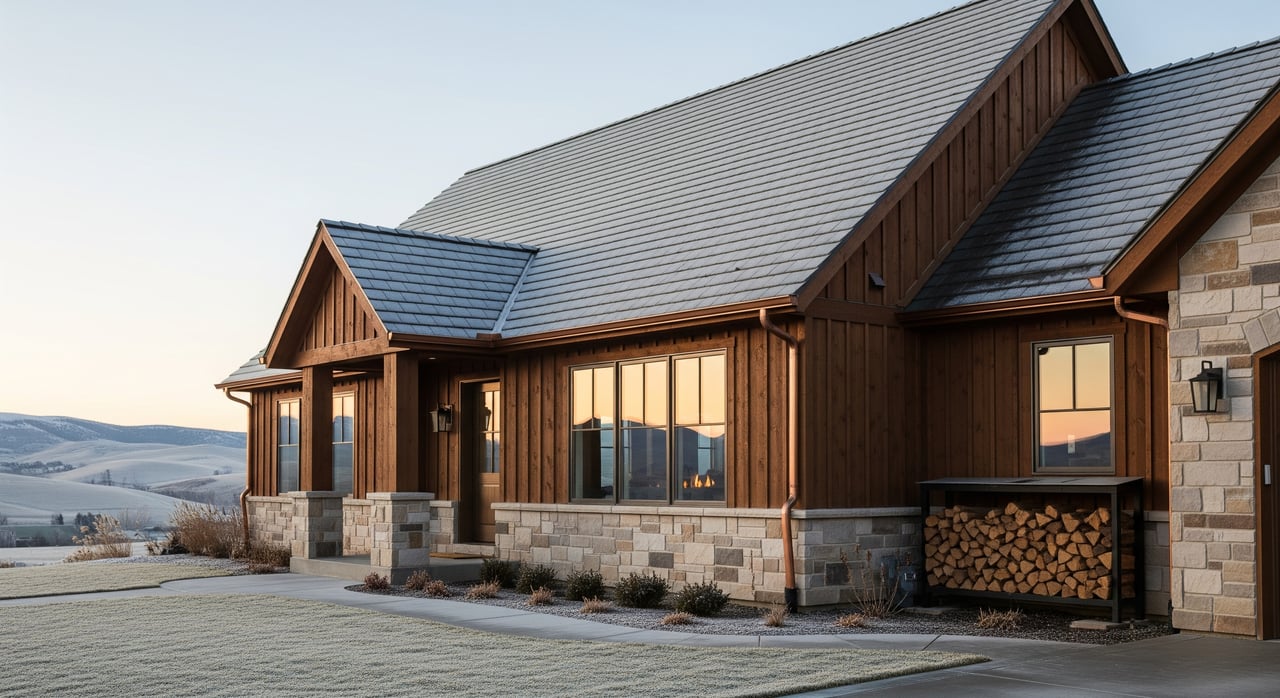
Cold snaps in Valley can arrive fast, and the first hard freeze often shows up before you expect it. If you want to protect your home and keep energy costs in check, a little prep now goes a long way. Whether you plan to stay put all winter or list your home in early spring, this guide gives you a clear, local checklist that fits Nebraska weather. You will find smart, low-cost steps, what to do first, and simple selling tips for a strong spring debut. Let’s dive in.
Valley winter basics
Winters in Douglas County bring extended stretches below freezing, plus the chance for snow, wind, and ice storms. Local conditions vary year to year, so use the National Weather Service for current freeze dates and storm advisories. Historically, the first hard freeze often hits in October, and the last freeze can land in April.
Plan outdoor tasks before the first hard freeze. Then knock out mechanical checks in late fall so your home runs safely and efficiently all season.
When to prepare
- September to November: Finish roof, gutter, and irrigation work before freezes.
- October to November: Service your furnace and test smoke and CO alarms.
- Early winter: Seal drafts, add insulation where practical, and set up your storm kit.
Priority checklist before freeze
Service your furnace. Schedule an inspection and change filters. Confirm your thermostat works and consider a programmable or smart unit.
Protect your pipes. Insulate exposed plumbing, shut off and drain exterior faucets, and keep your home at least 55°F if you are away.
Clear gutters and check the roof. Remove leaves and debris. Repair loose shingles and ensure downspouts move water away from the foundation.
Test safety alarms. Put carbon monoxide alarms on each level and outside bedrooms. Replace batteries and outdated units.
Seal drafts and add weatherstripping. Focus on doors, windows, and attic access to cut heat loss and reduce ice-dam risk.
Winterize irrigation and trim trees. Blow out sprinklers, drain outdoor lines, and remove weak branches near your home.
Build a storm kit and plan. Stock water, food, lights, chargers, and warm layers. Review generator and outage safety.
Interior systems made easy
HVAC and heating
- Schedule a professional furnace or boiler tune-up to check combustion and the heat exchanger.
- Replace air filters before heating season and check monthly through winter.
- Keep vents clear, test your thermostat, and bleed hot-water radiators if needed.
- Install and test carbon monoxide detectors on every level and outside sleeping areas. Follow placement and replacement guidance from the Consumer Product Safety Commission.
Plumbing and freeze protection
- Insulate exposed pipes in basements, crawl spaces, garages, and attics with foam sleeves.
- Shut off and drain exterior hose bibs. Disconnect hoses and use faucet covers.
- Find and label your main water shutoff. Keep your thermostat at about 55°F or higher if you travel.
- If pipes freeze, thaw them slowly with warm air and never use an open flame. Call a plumber if you cannot locate the ice blockage.
Insulation and air sealing
- Check attic insulation and seal gaps around lights, ducts, and plumbing stacks.
- Make sure attic ventilation is clear. Good ventilation plus insulation helps prevent ice dams.
- Weatherstrip doors and windows and add door sweeps.
- Review Department of Energy guidance for Climate Zone 5 to target effective R-values and upgrades that pay off. See home insulation guidance.
Safety devices and fireplaces
- Test smoke alarms and replace batteries. Replace units at the end of their service life.
- Install or test CO alarms and follow manufacturer replacement schedules. See CPSC CO alarm guidance.
- If you use a wood-burning fireplace or stove, schedule an annual chimney inspection and cleaning to avoid creosote hazards.
Exterior and yard prep
Roof and gutters
- Clean gutters and downspouts so meltwater can flow away from your foundation.
- Repair loose or missing shingles and damaged flashing before snow arrives.
- Improve attic air sealing and insulation to reduce warm spots that contribute to ice dams.
- After heavy snow, use a roof rake from the ground to relieve buildup at the eaves. Avoid climbing on an icy roof.
Irrigation, faucets, and landscaping
- Blow out sprinkler systems and drain outdoor lines before freezes. The University of Nebraska–Lincoln Extension shares local tips on irrigation and yard winter prep.
- Shut off and drain exterior valves and hose bibs. Insulate any exposed components.
- Trim dead or weak branches near the house. Move garden hoses and potted items indoors.
Garage, doors, and windows
- Add weatherstripping to the garage door and inspect the bottom seal.
- Lubricate hinges and locks. Test storm doors.
- If windows are notably drafty, add insulation film or install storm windows until you plan permanent replacements.
Driveway, sidewalks, and snow plan
- Stock a snow shovel and ice melt that is safe for your concrete and landscaping.
- Review local snow removal rules for your neighborhood and keep walkways clear for safety and showings.
- Line up a snow removal service in advance if you plan to travel.
Emergency readiness for outages
- Build a winter kit with flashlights, batteries, bottled water for three days, nonperishable food, blankets, first-aid supplies, a battery or crank radio, phone chargers, and basic tools. See the Ready.gov winter weather guide.
- If you use a portable generator, run it outdoors and away from windows and vents. Never operate one in a garage or enclosed space. Review American Red Cross generator safety tips and confirm your home has working CO alarms.
- Test your sump pump and any battery backup. Make sure grading and drains move water away from the foundation.
Ice dams and roof stress
Ice dams start when heat leaks warm the roof deck while the eaves stay cold. Melted snow refreezes at the edge, causing water to back up under shingles. Your best prevention is tight attic air sealing, adequate insulation, and clear gutters.
During or after a heavy storm, safely remove excess snow near the eaves with a roof rake from the ground. If snow loads look unusually heavy or you see sagging, call a professional.
Selling this spring
- Keep documentation. Save receipts for furnace tune-ups, roof work, plumbing fixes, and irrigation winterization. This supports buyer confidence and inspections.
- Consider a pre-list winter check focused on HVAC, roof, and plumbing. Addressing issues now reduces surprises later.
- Maintain curb safety for showings. Keep walkways, steps, and the driveway clear to create a safe first impression.
- Stage for comfort. Warm lighting and a steady indoor temperature help buyers feel at ease. Be transparent about any known winter issues.
Budget and timing tips
Low-cost, high-impact: Weatherstripping, pipe insulation, outlet gaskets, faucet covers, and basic ice melt and shovels often cost less than $50 per item.
Moderate: Professional furnace tune-up often ranges from about $100 to $300, and gutter cleaning varies by size and height. Attic top-up insulation costs vary widely.
Higher cost: Roof repairs, major insulation projects, or a furnace replacement can run into the thousands. Get local quotes and prioritize safety and leak prevention first.
Timing: Exterior work and irrigation blowouts should be done September through November. HVAC service and alarm checks fit well in October or November. Air sealing can continue into winter as you find drafts.
Local resources and alerts
- Check current forecasts and winter alerts with the National Weather Service.
- Review the Ready.gov winter weather toolkit for emergency planning.
- Explore Department of Energy guidance on insulation and energy savings in cold climates.
- See UNL Extension for irrigation winterizing and local yard care.
- Use Nebraska DOT for road advisories and winter driving tips.
- View climate normals and historical data at NOAA’s National Centers for Environmental Information.
Ready to prep your home?
If you want a quick plan that fits your home and timing, let’s talk. Whether you are staying put or preparing to sell this spring, you can leverage local insight, dependable vendor referrals, and a clear prep checklist. Reach out to Sheila Ost to start your move with a free consultation and home valuation.
FAQs
What Valley homeowners should expect in winter
- Eastern Nebraska sees extended cold and the risk of snow and ice. Check the National Weather Service for current freeze dates and storm warnings.
What temperature puts pipes at risk
- Pipes are at higher risk when temperatures drop near 20°F or lower for prolonged periods. Insulating pipes and keeping heat on helps reduce risk.
How warm to keep the house when away
- Set the thermostat to about 55°F or higher to reduce freeze risk. Follow your furnace manufacturer and insurance guidance.
How to prevent ice dams on the roof
- Focus on attic air sealing, proper insulation, and clear gutters. Use a roof rake from the ground after storms to reduce buildup at the eaves.
Are portable heaters safe to use
- Use only certified heaters per manufacturer instructions, keep them clear of combustibles, and never leave them unattended. Maintain working smoke and CO alarms.
What to disclose if selling after winter
- Disclose known defects, prior water intrusion, or freeze damage as required. Consult your insurance provider and your real estate agent for local requirements.