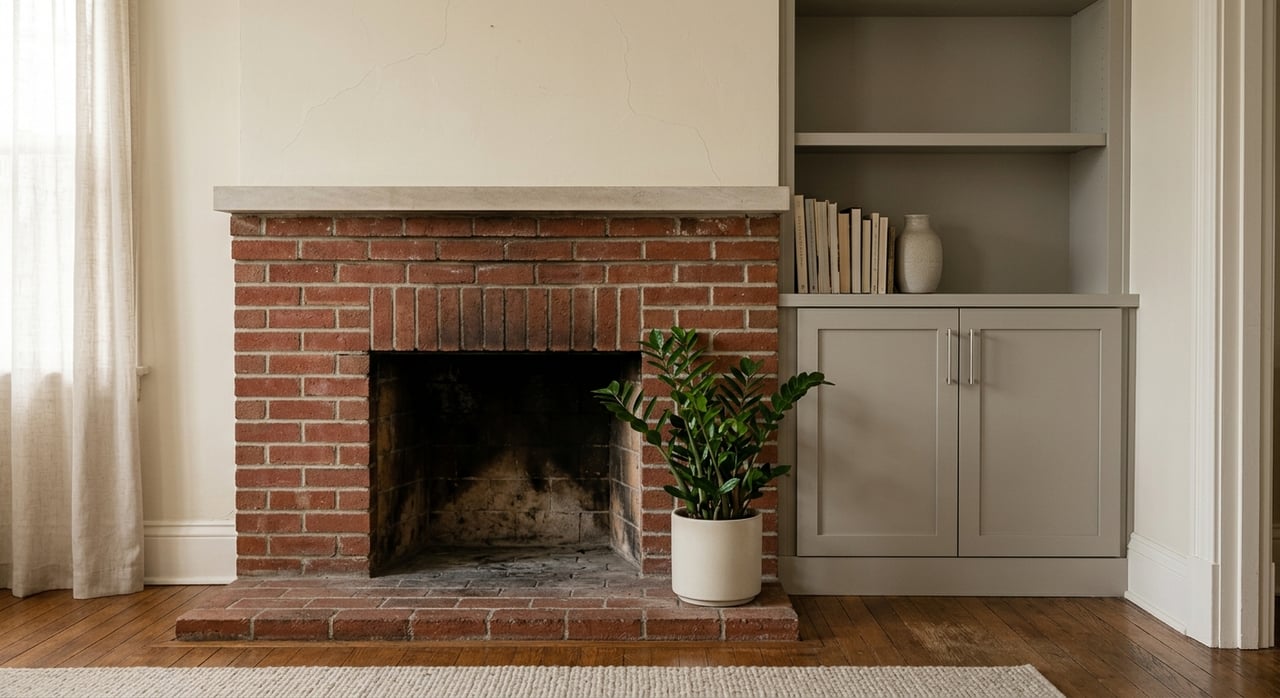
Thinking about selling a Dundee character home? You are not listing just another house. In this part of Omaha, buyers often notice original woodwork, distinctive architecture, room proportions, and the feel of a historic property before they think about anything else. If you want a smoother sale, it helps to know what buyers will ask, what you need to disclose, and how to present your home with care. Let’s dive in.
Why Dundee homes stand out
Dundee and Happy Hollow hold a unique place in Omaha’s housing landscape. According to the National Park Service, the district includes more than 2,000 historic properties and dates back to the late 1880s, with a mix of Queen Anne, Period Revival, Craftsman, and Prairie-style homes.
That matters when you sell because your home’s architecture is often one of its biggest selling points. Features like original trim, built-ins, windows, porches, and masonry can shape buyer interest from the first photo to the final showing.
There is also a clear buyer audience for older homes. In the National Association of Realtors 2025 buyer and seller trends report, buyers of previously owned homes often cite value, lower price, and charm and character as key reasons for their choice.
What buyers expect today
Buyers interested in Dundee character homes usually appreciate originality, but they also want clarity. They are often trying to understand which parts of the home are historic, which systems have been updated, and what maintenance may still be ahead.
That means you should expect detailed questions about the roof, electrical system, heating and cooling, plumbing, windows, foundation, and any past renovations. Buyers may also ask for receipts, contractor information, or a timeline of improvements if you have them.
The more organized you are, the more confidence you can create. A clear property story helps buyers see both the charm and the practical side of ownership.
Prepare for Nebraska disclosures
If you are selling residential real property in Nebraska, you are required to provide a written condition disclosure statement. Under Nebraska law, that disclosure covers items such as appliances, electrical, heating and cooling, water, sewer, material defects, hazardous conditions, title conditions like easements or encroachments, utility connections, and carbon monoxide alarm compliance.
The law also says the disclosure is not a warranty and should not replace an inspection. If you learn that your disclosure is no longer accurate before the contract becomes effective, you must update it.
For many Dundee sellers, this is where preparation makes a difference. Gathering service records, warranties, permit information, and notes about repairs can help you complete the form with less stress and fewer surprises.
Why older homes need more detail
With a character home, vague answers can raise more concerns than they solve. If a system is older, say so. If part of the home is original, explain what has been maintained or improved over time.
Buyers do not necessarily expect a historic home to feel brand new. They do expect straightforward information so they can make an informed decision.
Lead paint rules to know
If your home was built before 1978, federal lead-based paint rules may apply. The EPA’s real estate disclosure guidance says sellers, landlords, agents, and property managers must provide a lead pamphlet, disclose known lead-based paint information and records, and offer buyers a 10-day opportunity for an inspection or risk assessment unless both parties agree otherwise in writing.
This is especially relevant in Dundee because many homes were built long before 1978. The EPA also reports that 87% of homes built before 1940 and 24% of homes built from 1960 to 1978 contain some lead-based paint.
Lead paint is usually a hazard when it is deteriorating. If you are planning pre-listing touch-ups, be careful about work that disturbs older painted surfaces like trim, windows, and doors.
Be thoughtful with pre-sale updates
Freshening up a home before listing can help, but not every project should be treated as a quick cosmetic fix. For pre-1978 homes, the EPA recommends using a lead-safe certified renovator when renovation, repair, or painting work will disturb possible lead-based paint.
That makes a practical difference in Dundee homes, where original woodwork and old painted surfaces are often part of the home’s appeal. Smart prep protects both your timeline and your home’s presentation.
Historic designation and renovations
Some sellers worry that a historic designation automatically limits what they can do with the property. According to History Nebraska, listing in the National Register of Historic Places by itself does not place restrictions on an owner’s ability to maintain or renovate a property.
That said, it is still wise to check before starting major work, especially if tax incentives are involved. If your home has recognized historic status, buyers may ask about that too, so it helps to have a clear answer ready.
What to do before listing
The right pre-listing plan can help your home show better and reduce friction once offers start coming in. For a Dundee character home, that usually means balancing preservation, presentation, and documentation.
Here are a few smart steps to consider:
- Create a list of updates with approximate dates
- Gather repair receipts, warranties, and service records
- Organize notes on original features and past renovations
- Consider a pre-listing inspection if you want early insight into condition issues
- Separate simple cosmetic work from projects that may disturb older paint
- Review your disclosure carefully and update it if needed
These steps can make it easier to answer buyer questions without guessing. They can also help prevent avoidable negotiation problems later.
Staging a character home well
Staging is not about making a historic home look generic. It is about helping buyers understand scale, flow, and everyday function while still letting the home’s details stand out.
According to the NAR 2025 home staging snapshot, 83% of buyers’ agents said staging makes it easier for buyers to visualize a property as a future home. The most commonly staged rooms were the living room, primary bedroom, and dining room.
In a Dundee home, those rooms often carry much of the architectural personality. Clean furniture placement, lighter visual clutter, and thoughtful styling can help buyers notice original fireplaces, trim, windows, ceiling height, and room proportions.
Marketing matters more than ever
Character homes need strong presentation from day one. Many buyers begin online, and first impressions often come down to photos, not just price.
The National Association of Realtors reports that 52% of buyers found the home they purchased online, and 81% rated listing photos as the most useful feature in their search. That means your home’s first image and photo sequence need to do real work.
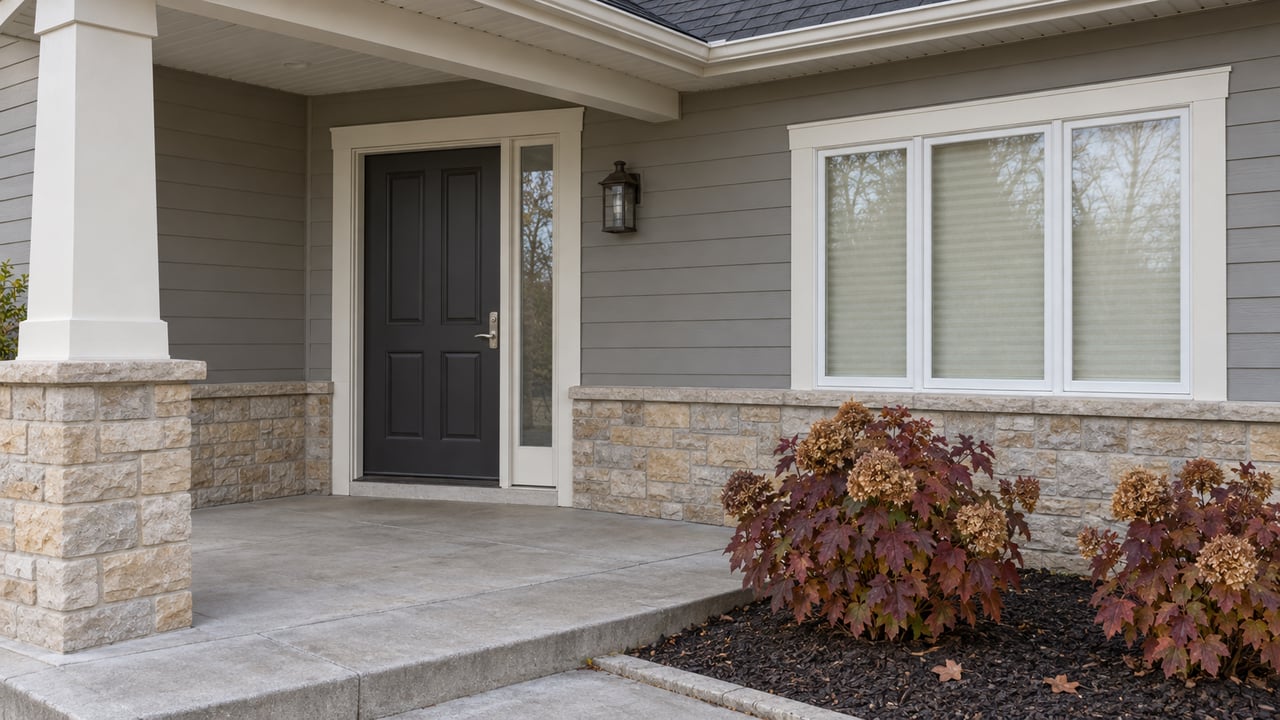
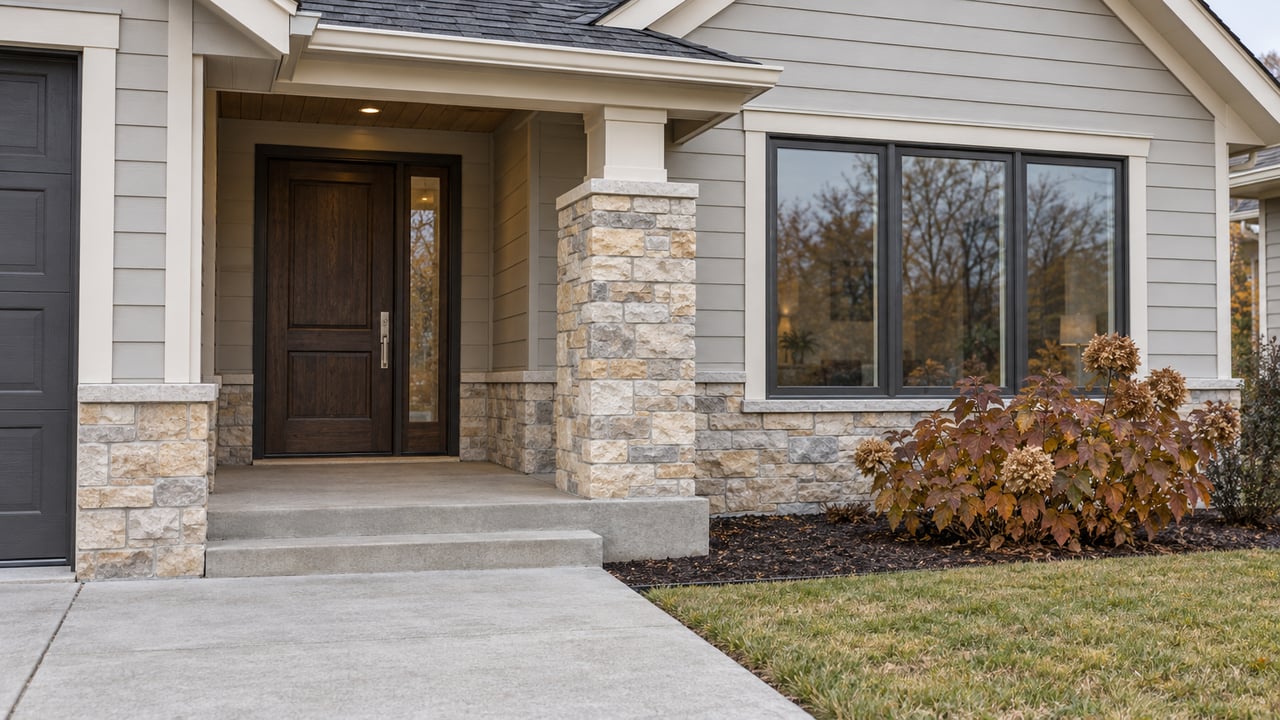
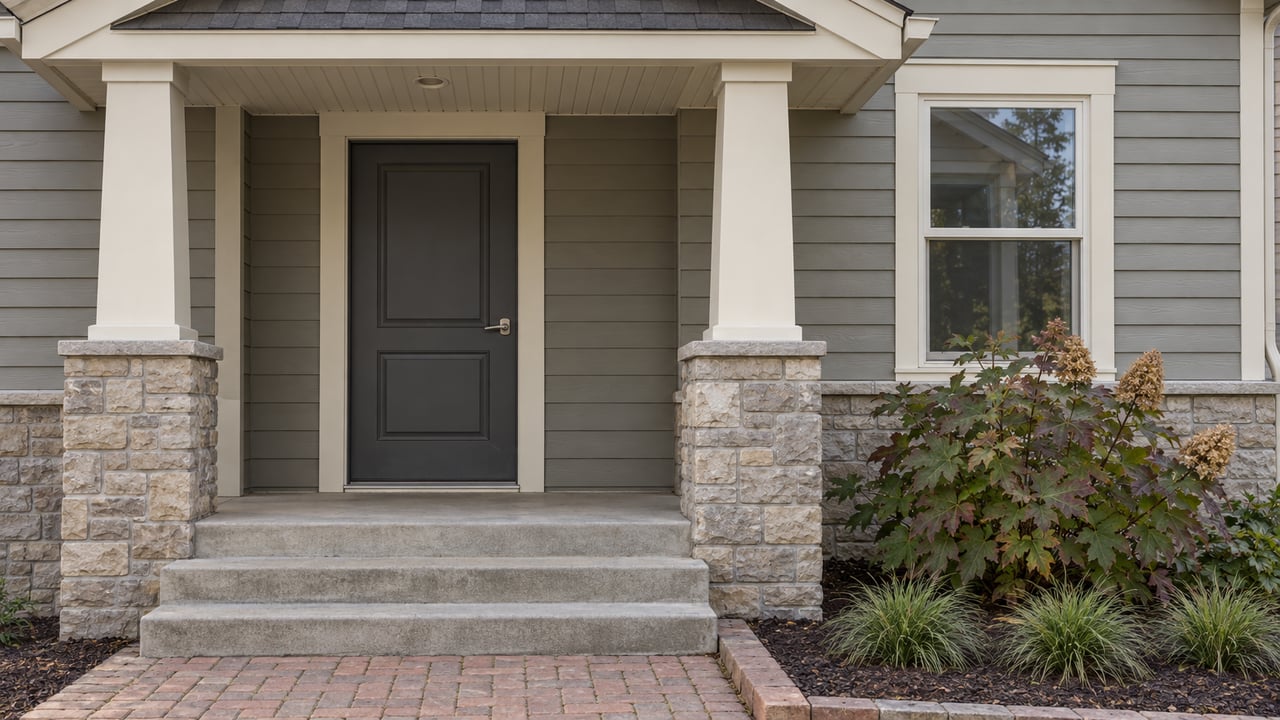
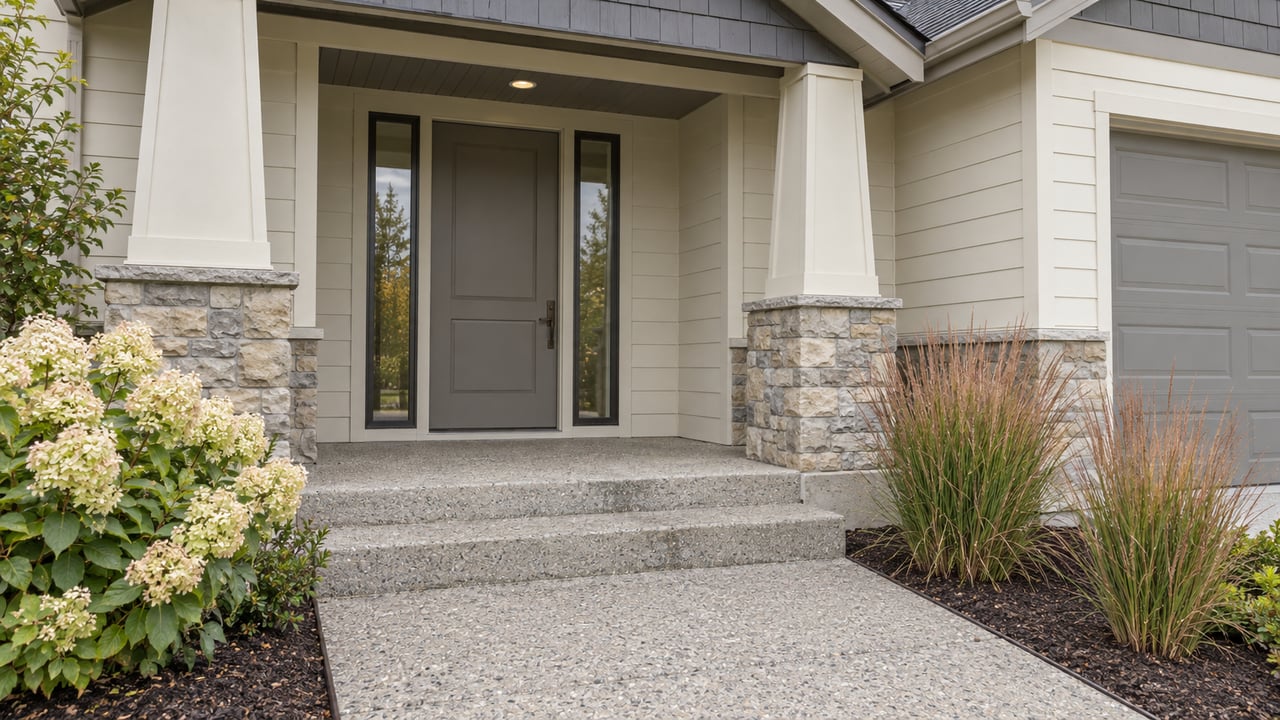
For a Dundee listing, marketing should highlight the details that make the home memorable. Strong exterior photography, architectural close-ups, and images that show room flow and updates can help buyers connect with the property before they ever step inside.
What an effective launch can include
A well-rounded marketing plan can combine traditional and digital exposure. In the NAR 2025 seller survey, common methods included MLS websites, yard signs, open houses, social networking sites, virtual tours, and video.
That mix is especially useful for an older home with distinctive details. It gives local buyers easy access while also helping out-of-area buyers study the home more closely online.
Pricing a Dundee home carefully
Pricing a character home is rarely as simple as matching the nearest sale by square footage. Architecture, condition, updates, lot appeal, and buyer perception can all influence how your home is received.
For broader context, the Great Plains Regional MLS January 2026 report showed an Omaha Area Region median closed price of $298,000, 30 days on market, and 1.3 months of supply. Dundee is its own micro-market, but those numbers still show why pricing precision matters.
In a market with limited supply, a well-positioned home can attract strong interest. But with a distinctive older property, the wrong price can also slow momentum if buyers feel condition, updates, or maintenance expectations are not reflected.
Why guidance matters with a character home
Selling a Dundee home often requires more than a standard checklist. You need a plan for disclosures, prep decisions, pricing, presentation, and buyer questions about the home’s history and condition.
That is where a responsive, detail-oriented approach can help. When your sale involves older systems, historic charm, and a buyer audience that cares about both character and practicality, clear guidance can make the process feel much more manageable.
If you are getting ready to sell in Dundee and want a practical strategy built around your home’s condition, features, and market position, connect with Sheila Ost for a personalized consultation.
FAQs
What makes selling a character home in Dundee different from selling a newer home?
- Dundee homes often stand out because of their historic architecture, original details, and older construction, so buyers usually ask more questions about condition, updates, and maintenance history.
What disclosures are required when selling a home in Dundee, Nebraska?
- Nebraska sellers must provide a written condition disclosure statement covering items such as systems, defects, hazardous conditions, utility connections, title issues, and carbon monoxide alarm compliance.
Do lead paint rules apply when selling an older Dundee home?
- If the home was built before 1978, federal rules may require you to provide a lead pamphlet, disclose known lead-based paint information, and give buyers an opportunity for an inspection or risk assessment unless waived in writing.
Does National Register status restrict changes to a Dundee historic home?
- No, listing in the National Register of Historic Places by itself does not restrict an owner’s ability to maintain or renovate the property, though it is still smart to verify details before major work.
How should you prepare a Dundee character home before listing?
- A strong plan often includes organizing repair records, making a clear list of updates, reviewing disclosures, considering a pre-listing inspection, and being careful with any work that could disturb old paint.
How should a Dundee character home be marketed to buyers?
- Marketing should focus on strong listing photos, the home’s best architectural details, room flow, and broad exposure through channels like MLS websites, signs, open houses, social media, virtual tours, and video.