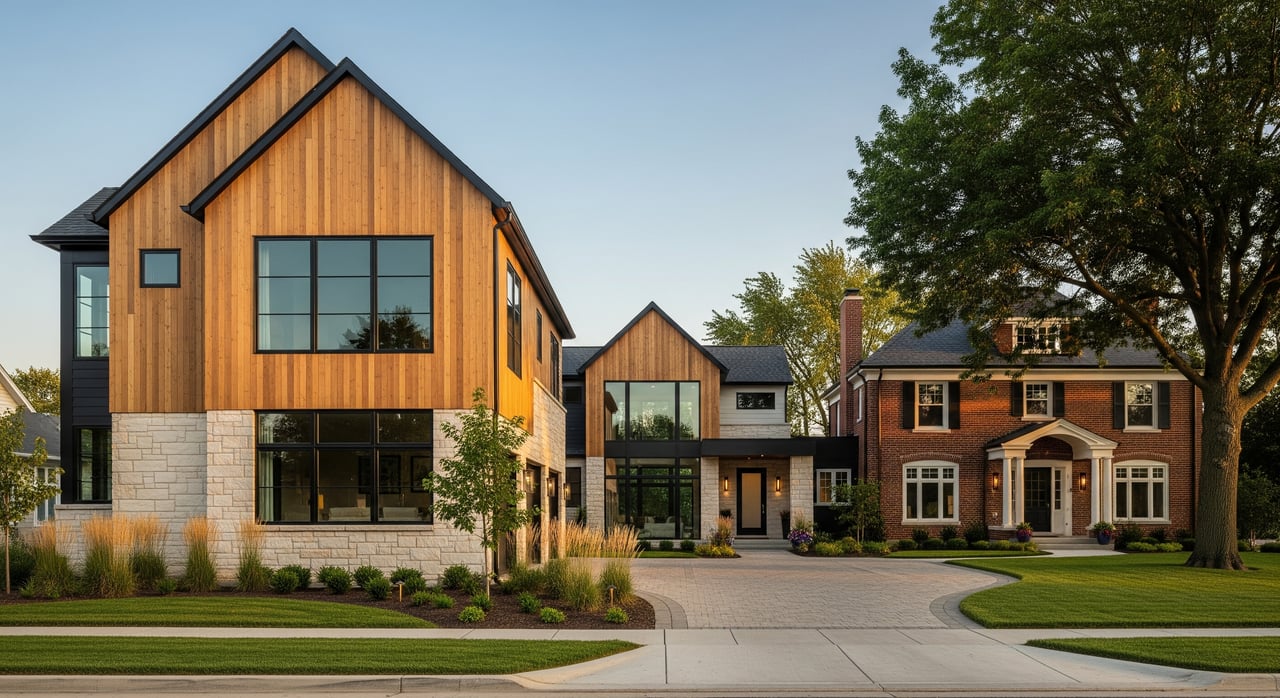
Thinking about buying in Papillion and torn between building new or choosing a resale? It is a big decision with real budget, timing, and lifestyle tradeoffs. You want the right home at the right time without costly surprises. In this guide, you will compare costs, timelines, warranties, taxes, and lot factors specific to Papillion so you can choose with confidence. Let’s dive in.
Papillion market context you should know
Papillion sits in Sarpy County within the Omaha metro, so commute times to Omaha and Bellevue job centers, access to major routes, and proximity to retail and medical services matter. Neighborhood amenities like parks and trails also influence day-to-day life and long-term value.
The city continues to grow with new subdivisions and some infill development. That can mean newer infrastructure and amenities coming online over time, but also phased construction, temporary construction traffic, and maturing landscaping in newer areas.
Families often consider Papillion‑La Vista schools as part of their decision. If schools are important to you, review current attendance boundaries and any planned changes. For any neighborhood, it is smart to confirm boundaries and review objective district resources.
Local market conditions will affect your leverage. In a seller’s market, builders may limit incentives and resale sellers may receive multiple offers. In a balanced or buyer market, you can often negotiate more on either path. Ask your agent to pull recent MLS comps, days on market, and inventory levels for your target price range and neighborhood.
New vs. resale: the real cost picture
Purchase price and total cost
New construction often advertises a competitive base price, but upgrades, lot premiums, landscaping, and builder fees can raise the final number. Resale homes commonly include mature landscaping and established outdoor spaces that are expensive to replicate.
Builder contracts usually require staged deposits for earnest money and options. Resale purchases typically use a standard earnest deposit held in escrow. Plan for these differences in your cash-on-hand and timeline.
Ongoing costs can differ too. New homes built to modern codes often have lower near-term maintenance and potentially lower utility bills. Property taxes for new builds can be higher as assessed values catch up, and some new communities carry special assessments or bonds that are repaid over time. Ask whether a lot sits within a special improvement district and confirm any assessments.
Taxes, assessments, and HOA rules
New subdivisions in Papillion may include special assessments or developer-funded bonds that appear on your tax bill. Resale homes in established areas may not have these, or they may have them at different levels. Review the most recent tax bills for comparable homes to understand the range.
Most new communities have homeowners associations with covenants, design guidelines, and dues that can change as amenities are added. For resales, HOA rules and dues are usually established. Always read the CC&Rs and ask about any planned changes or upcoming assessments.
Timelines, contingencies, and flexibility
Resale closings often occur in 30 to 45 days if financing and inspections go smoothly. Spec homes that are completed or near completion can close on a similar timeframe.
If you build from the ground up, plan for 4 to 9 months or more depending on builder schedule and customization. Weather, supply chain issues, subcontractor availability, and permit timing can create delays, so keep your move plan flexible.
Contract contingencies also differ. Resale contracts typically include inspection, appraisal, mortgage, and clear title contingencies. New construction contracts may limit or structure these differently, and they often include staged deposits and specific warranty remedies. Read every clause before you sign.
Warranties and inspections
Most new homes include a written builder warranty. A common structure is one year for workmanship and finishes, additional years for mechanical systems, and longer structural coverage. Exact terms vary by builder, so review the documents and the claims process.
Even for new construction, plan at least one independent third‑party inspection before closing. If possible, consider phase inspections such as pre‑drywall and final. Resale buyers should order a comprehensive home inspection and any specialty inspections that fit the property.
New builds usually include a punch list process. Clarify how final items will be corrected, who manages scheduling, and when the builder will return for follow‑up.
Customization and finishes
If selecting finishes and layouts is a priority, new construction can be a great fit. Production builders offer package options and a defined menu of upgrades. Semi‑custom or custom builders allow more flexibility and usually come at a higher cost.
Resale homes can be move‑in ready with upgraded or unique finishes you may not find in a standard model. If you plan to renovate, price out your project and timeline to compare with selecting upgrades during a new build.
Remember that not every upgrade returns dollar for dollar at resale. Choose upgrades you will enjoy and that align with neighborhood expectations.
Lot selection and neighborhood maturity
With new construction, lot orientation, topography, drainage, and proximity to future roads or amenities matter. Premiums often apply to corner, cul‑de‑sac, or view lots. Early phases can lack mature trees and privacy, and some community amenities may arrive later.
Resale homes typically offer established landscaping, finished outdoor spaces, and an already-formed neighborhood character. You can see how the street lives day to day.
For both options, review recorded plats, easements, drainage plans, and any floodplain considerations. These details affect yard usability, future maintenance, and long‑term value.
Financing, appraisal, and incentives
Resale purchases commonly use conventional, FHA, VA, or USDA loans with appraisals based on recent comparable sales. New construction can involve a construction loan that converts to a permanent mortgage, or you may use builder-friendly financing. Some builders offer preferred lenders with incentives. Compare rates, fees, and closing cost credits to see the true value.
Appraisal gaps can occur when a new home sits in a neighborhood without many recent comparable sales. If an appraisal comes in low, you may need to negotiate with the builder, increase your down payment, or consider lender exceptions.
Builder incentives vary with market conditions. In balanced or buyer markets, builders may offer closing cost help, upgrades, or rate buydowns. When demand is strong, incentives can be limited. Your agent can help you evaluate what is realistic right now in Papillion.
Decision tool: match your goals
Use these quick guidelines to see which path fits your situation.
- Need to move in 1 to 2 months: Resale or completed spec home.
- Willing to wait 4 to 9+ months for personalization: New construction.
- Want modern systems and minimal near‑term maintenance: New construction.
- Prefer mature trees, established neighbors, and finished landscaping: Resale.
- Need a specific floor plan hard to find in resales: New construction or custom build.
- Want the strongest deal right now: Check current Papillion inventory and builder incentives with your agent.
Try this simple scoring approach. Score each item 1 to 5, where 5 means very important to you. Add up your total for a quick read on fit.
- Timeline urgency (weight 25%)
- Desire for customization (weight 20%)
- Budget flexibility for upgrades (weight 15%)
- Tolerance for construction delays (weight 10%)
- Preference for mature landscaping and neighborhood stability (weight 10%)
- Importance of energy efficiency and new systems (weight 10%)
- Preference for warranty protection (weight 10%)
Higher totals generally favor new construction, while lower totals often point to resale. Use this as a conversation starter with your agent.
Due diligence checklist
For new construction
- Builder reputation: request recent Sarpy County projects and references you can tour or contact.
- Warranty documents: review coverage, claim process, and timelines in writing.
- Inclusions list: clarify what the base price covers such as driveway, sidewalk, landscaping, and appliances.
- Upgrade pricing and deadlines: know when selections are due and how deposits are handled.
- Construction schedule and delay policy: understand allowances for weather or supply issues and whether any move‑in date is guaranteed.
- Community phasing and amenities: confirm timing for parks, pools, or trails.
- Lot disclosures: verify easements, setbacks, floodplain status, and any special assessments.
- Inspection rights: secure third‑party inspections at key milestones and at final walk‑through.
For resale
- Home inspection: schedule a general inspection plus any needed specialty checks such as HVAC, sewer scope, or chimney.
- System and upgrade history: request utility bills, receipts for major updates, and permits for renovations.
- Title and easements: confirm clear title and review any recorded easements or encroachments.
- Comparable sales: review 6 to 12 months of local comps to support pricing and appraisal.
- HOA status: read CC&Rs, financials, meeting minutes, and ask about pending assessments.
For both paths
- Property taxes: review history and projected changes with the assessor’s methodologies.
- School boundaries: confirm current attendance zones and ask about potential rezoning.
- Local development plans: review future land use and nearby road or utility projects.
Next steps in Papillion
- Clarify your timeline, budget, and must‑have features. Include upgrade dollars if building and first‑year maintenance if buying resale.
- Get preapproved with a lender who understands Papillion and can outline construction‑to‑permanent options if you build.
- Explore neighborhoods and subdivisions that fit your commute and lifestyle. If building, compare builders’ inclusions and warranty terms side by side.
- Review public records for taxes, special assessments, plats, and HOA documents before you write an offer.
- Plan your move logistics. If you are selling and buying, consider bridge options, rent‑backs, or timing strategies to reduce stress.
- Do a final review of costs, contingencies, and timelines before you commit.
If you want a local, low‑stress way to compare builders and resales across Papillion, you can lean on a process‑oriented advisor who understands both construction and transaction logistics. Connect with Sheila Ost for a friendly, one‑on‑one consultation and a clear plan for your next move.
FAQs
What is an SID and how can it affect my payment in Papillion?
- A special improvement district can fund infrastructure in new subdivisions, and the repayment typically appears on your tax bill, which can raise your monthly escrow compared with areas without those assessments.
How long does a ground‑up new build take in Papillion?
- Many builds complete in roughly 4 to 9 months depending on builder schedule, customization, weather, and supply timing, so plan for flexibility in your move date.
Should I still get a home inspection on new construction?
- Yes, independent inspections help catch items before closing, and phase inspections such as pre‑drywall and final can add peace of mind alongside the builder’s written warranty.
How do appraisals work for new builds without many comps?
- Appraisers still rely on comparable sales, and if values do not support the contract price you may need to renegotiate, bring additional funds, or pursue lender exceptions.
What is the best way to compare total ownership cost for new vs. resale?
- Add purchase price, upgrades, deposits, closing costs, special assessments, HOA dues, utilities, and near‑term maintenance to see a true apples‑to‑apples monthly and first‑year cost.
Can I use FHA, VA, or USDA financing for a new home in Sarpy County?
- Many buyers use these loans for completed spec homes, while ground‑up builds may require construction financing that converts to a permanent loan, so confirm options with your lender early.