Thinking about buying in Elkhorn and wondering what living in an HOA really looks like day to day? You are not alone. Many subdivisions in this part of Omaha use homeowners associations to maintain common spaces and set neighborhood standards, which can be a great fit for some buyers and a poor fit for others. In this guide, you will learn how HOAs in Elkhorn work, what the typical rules and fees look like, and how to evaluate the tradeoffs before you commit. Let’s dive in.
How HOAs work in Elkhorn
Elkhorn has a long history of using private covenants and HOAs to manage neighborhood standards and shared amenities. While HOAs set many of the day-to-day rules, state law and general property law still apply. City of Omaha codes, permits, and nuisance rules also apply in HOA neighborhoods.
In many subdivisions, public streets and storm sewers are the City’s responsibility after dedication, while private parks, pools, trails, or private roads remain under HOA control. Always confirm which pieces are public versus private, because that affects your dues and your responsibilities as an owner.
Governing documents and city rules
HOAs are governed by recorded documents: the Declaration of Covenants, Conditions and Restrictions, the bylaws, and any rules and regulations. These documents spell out what owners can do, how rules are enforced, and what the association covers. City of Omaha ordinances still apply on things like permits, nuisance, and parking, even if your HOA has additional or stricter rules.
Where to find records
Recorded CC&Rs and plats are filed with the Douglas County Register of Deeds. During a home purchase, you should receive an HOA resale or estoppel certificate and a full copy of the governing documents from the seller or management company. If you need to verify public infrastructure responsibilities or permits, the City of Omaha Planning and Building Department is the right contact.
Common rules you will see
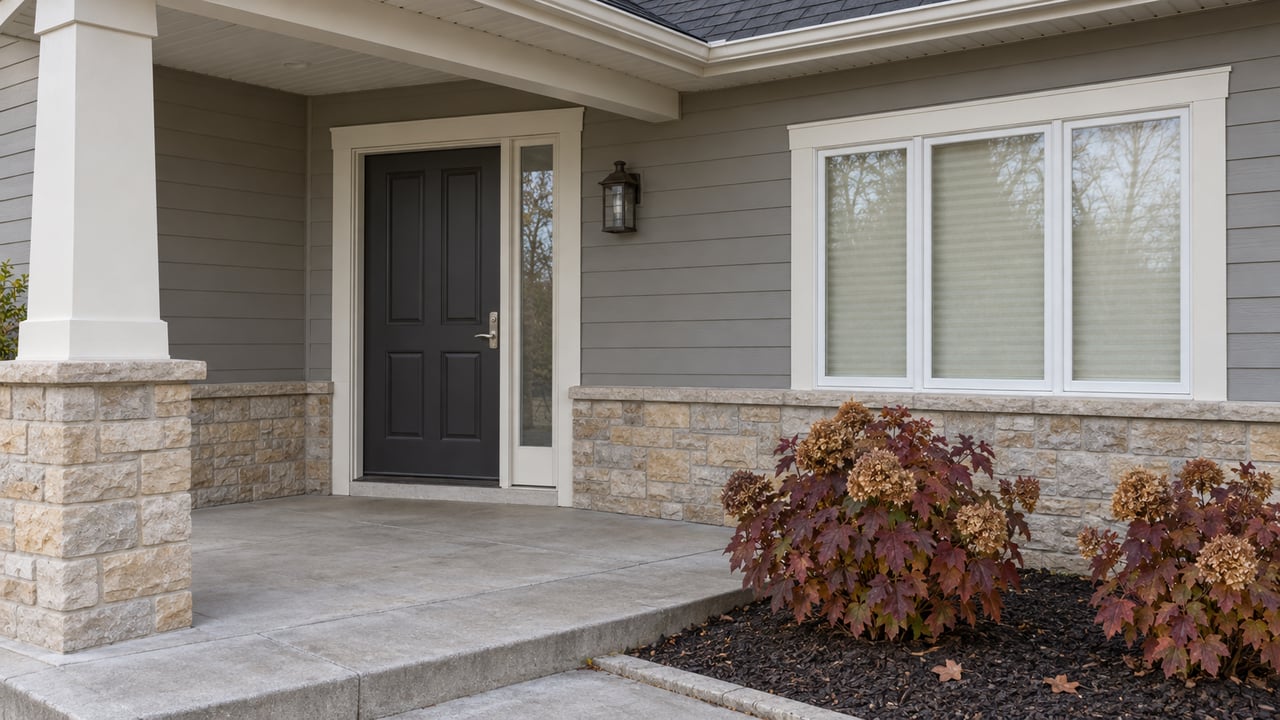
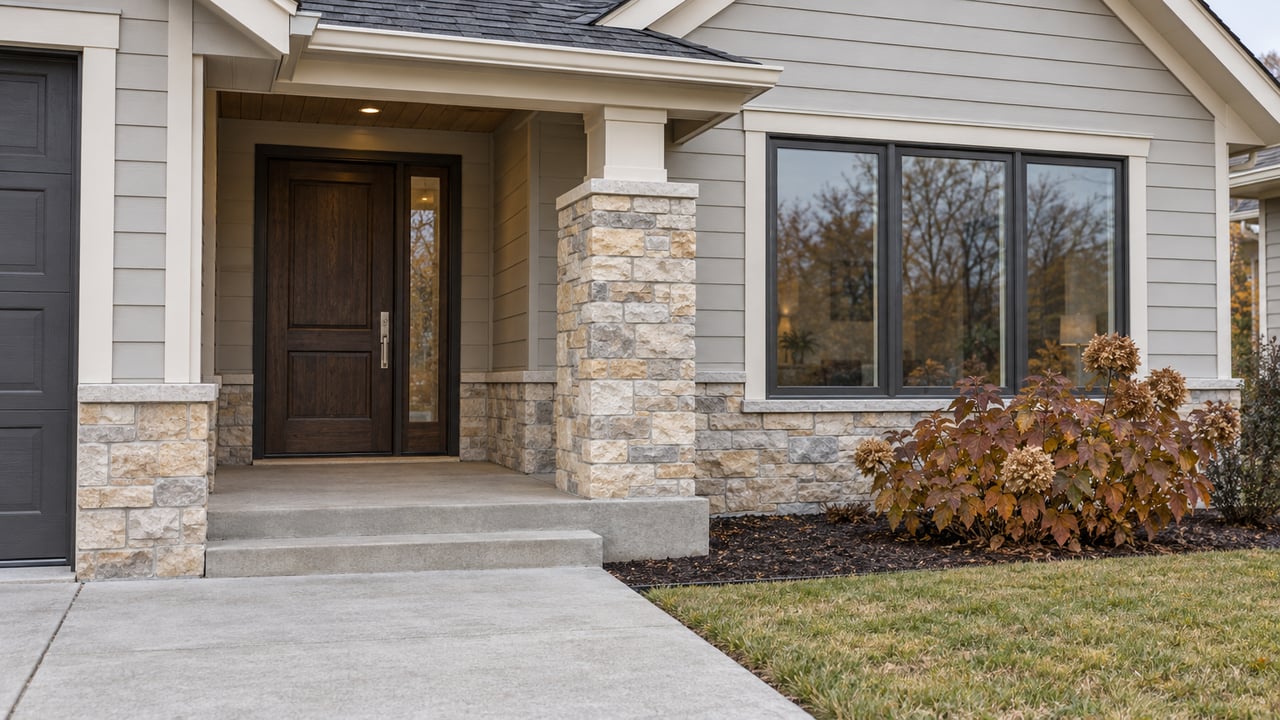
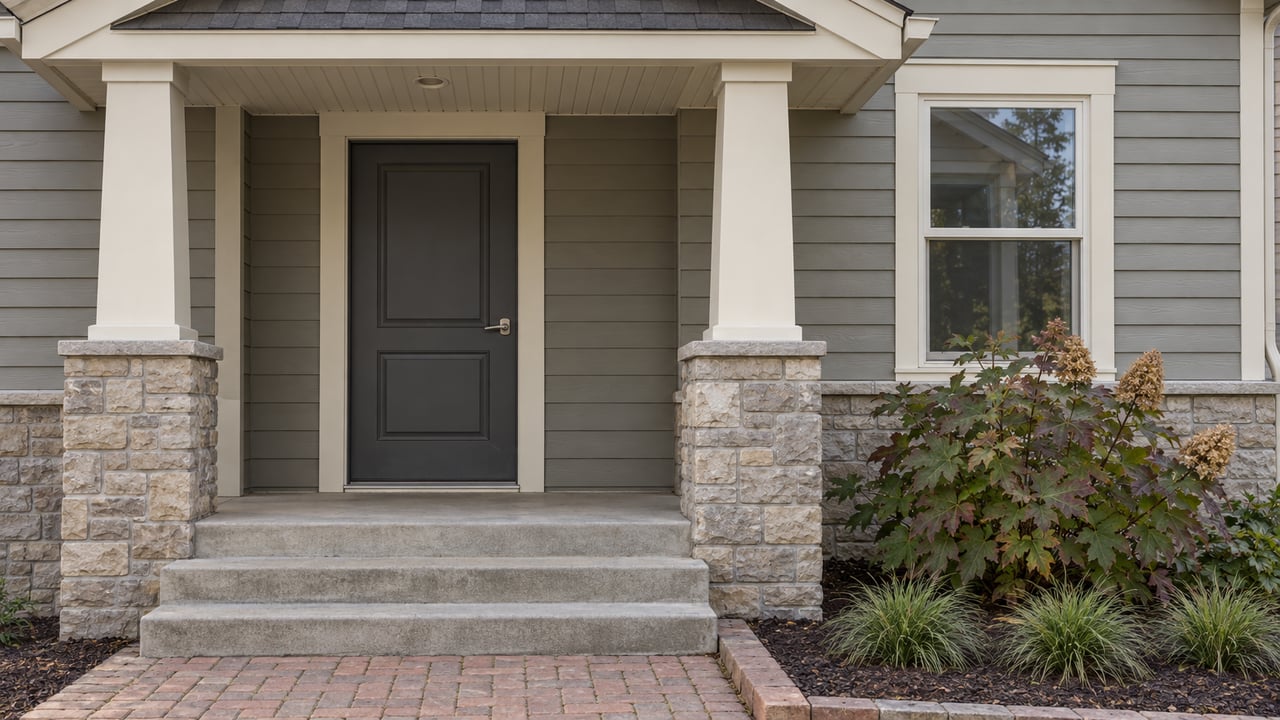
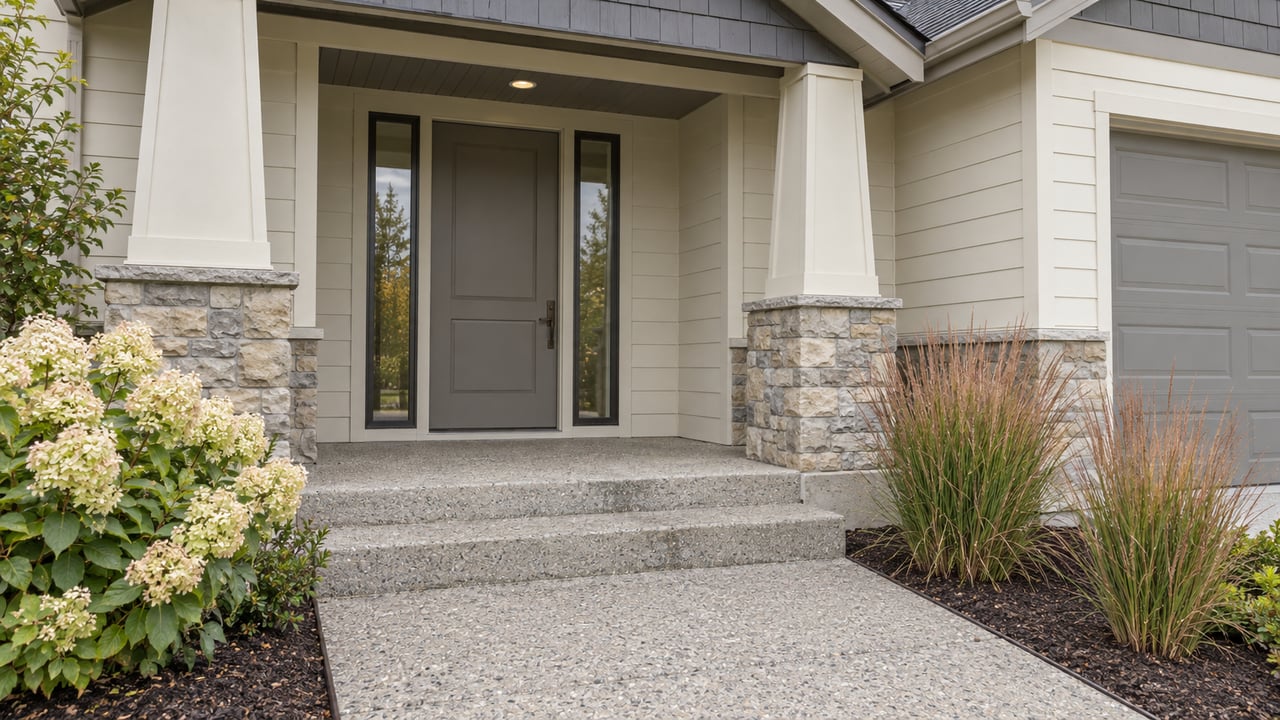
HOA rules in Elkhorn aim to keep curb appeal consistent and common spaces maintained. Most associations publish clear standards so you know what is expected before you make changes or bring in new items.
Architectural control and exteriors
Many HOAs require approval from an Architectural Review Committee for exterior changes. This can include paint colors, siding, roofing, fences, decks, and hardscapes. Timelines and application requirements are usually outlined in the documents, so review those before you plan a project.
Parking, pets, and leasing
Rules often cover where vehicles can be parked, how long street parking is allowed, and whether RVs, boats, or commercial vehicles can be stored outside. Pet rules vary by community, and may include limits on number or size. Leasing provisions can include rental caps, minimum lease terms, and tenant registration, which can affect your flexibility to rent out your home.
Amenities and common areas
If the community has a pool, clubhouse, playground, or trails, expect rules around hours, guests, and reservations. You may also see landscaping standards for front yards and requirements for snow removal on sidewalks. When amenities are well maintained, they can add daily value and reduce individual chores.
Fees to plan for
Your HOA will outline the payments you are responsible for. Understanding each type, and what it funds, helps you plan a realistic monthly budget.
Typical costs in Elkhorn
Regular dues for single-family HOAs in Midwestern suburban markets often range from about 50 to 300 dollars per month, depending on services and amenities. Communities with pools, clubhouses, or private road maintenance tend to sit on the higher end. Transfer or resale certificate fees at closing are common and often fall between 100 and 400 dollars, but individual associations vary.
Special assessments are one-time charges for major projects or unexpected costs. These can be a few hundred dollars or several thousand per home, depending on the scope of work. Ask for the community’s recent history of assessments to gauge risk.
Reserves and special assessments
Healthy associations fund reserves for future projects like pavement, roofing on shared structures, or pool equipment. A professional reserve study helps estimate these needs over time. Thin reserves increase the chance of special assessments when big-ticket work comes due. Always request the latest budget, reserve study if available, and financial statements to understand the association’s financial health.
Lifestyle tradeoffs to weigh
HOA living offers benefits, but it also comes with obligations. Weigh these tradeoffs against your priorities.
- Advantages:
- Consistent curb appeal can help protect property values and neighborhood feel.
- Shared amenities like parks, trails, or pools add convenience and recreation.
- Common-area maintenance can reduce your personal upkeep.
- Disadvantages:
- You give up some autonomy on exterior choices and yard projects.
- You take on ongoing dues and the risk of special assessments.
- Rules and enforcement can create friction if expectations do not align with your lifestyle.
Resale and buyer appeal
A well-run HOA with attractive amenities and solid reserves can support resale value by appealing to buyers who want convenience and consistent standards. On the other hand, restrictive rules, frequent special assessments, or financial instability can narrow your buyer pool. Your goal is not just to love living there, but also to feel confident when it is time to sell.
Buyer checklist and timing
Before you remove contingencies, gather documents and ask targeted questions. The clarity you gain will help you avoid surprises after closing.
- Documents to request:
- Recorded Declaration/CC&Rs, bylaws, rules and ARC guidelines.
- Current operating budget, recent financial statements, and reserve balances.
- Most recent reserve study, plus 3 to 5 years of dues and assessment history.
- Board meeting minutes from the past 12 to 24 months.
- Estoppel or resale certificate showing current dues, assessments, violations, and any liens.
- HOA master insurance declarations and a statement of what owners must insure.
- Any management contract if a third-party company is used.
- Litigation disclosures for any pending or threatened lawsuits.
- Questions to ask:
- What services do dues cover, such as landscaping, snow removal, exterior maintenance, trash, or security?
- When were dues last increased and why? Are increases planned?
- Have there been special assessments in the past 5 years? For what and how much?
- What percent of homes are rentals, and are there rental caps?
- How are architectural requests handled, and what is the typical approval timeline?
- Are there any pending lawsuits, code issues, or deferred maintenance?
- What is the fine schedule and typical enforcement process?
- Red flags:
- Low or no reserves paired with aging amenities.
- Repeated or recent large special assessments.
- High owner delinquency or frequent foreclosures.
- Inconsistent enforcement documented in minutes or owner complaints.
- Frequent management turnover or short-term contracts.
- Active litigation.
- Timing notes:
- Allow 7 to 14 business days for the HOA to produce resale or estoppel certificates, and budget for related fees.
- Coordinate with your title company so liens, transfer fees, and dues are handled at closing.
- Keep an HOA document review contingency in your contract until you have what you need.
Insurance and maintenance questions
Understand where the HOA’s master policy stops and your policy begins. In some regimes the association covers only common areas. In others, the HOA may cover certain exterior components for townhomes or patio homes. Your insurance agent can help align your HO-3 or HO-6 coverage with the HOA’s policy so you are not exposed to gaps or unexpected responsibilities.
Also confirm maintenance responsibilities. Ask whether you or the HOA handle items like roof replacement, siding, sidewalk snow removal, and pond or culvert maintenance. Clear answers help you compare true costs versus a non-HOA property.
HOA vs non-HOA fit
Consider your priorities, budget, and how you like to manage your home.
- You might prefer an HOA if you value:
- Neighborhood amenities like pools, trails, or clubhouses.
- Consistent exterior standards and the look of the neighborhood.
- Reduced yard or common-area upkeep handled by the association.
- You might prefer non-HOA if you want:
- Maximum autonomy for exterior projects, fencing, or vehicle storage.
- Lower ongoing payments, accepting more personal maintenance.
- Flexibility to rent without caps or minimum lease terms.
Ready to compare neighborhoods?
If you are weighing HOA and non-HOA options in Elkhorn, a clear side-by-side can save you time and money. Review the documents, confirm what is public versus private, and compare dues against the maintenance you would handle on your own. If anything in the paperwork is unclear, ask for clarification before you commit.
Want a local, pragmatic walkthrough of your shortlist and the documents that come with it? Reach out to Sheila Ost for a friendly, detail-driven consult that helps you buy with confidence.
FAQs
What are typical HOA dues for single-family homes in Elkhorn?
- In Midwestern suburban markets, single-family HOA dues often range from about 50 to 300 dollars per month, depending on amenities and services.
How do I get HOA documents before buying a home in Elkhorn?
- Ask the seller or property manager for the resale or estoppel certificate and full governing documents, and confirm recorded CC&Rs with the Douglas County Register of Deeds.
Do City of Omaha rules still apply inside HOA neighborhoods in Elkhorn?
- Yes, city codes, permits, and nuisance or parking ordinances still apply, even if the HOA adds stricter rules.
What happens if I violate an HOA rule in Elkhorn?
- Most associations use an escalating process that starts with notice and can lead to fines, suspension of amenities, liens for unpaid amounts, and in extreme cases legal action per the governing documents.
How can I avoid surprise special assessments in an Elkhorn HOA?
- Review the latest budget, reserve study if available, financial statements, minutes, and the past 3 to 5 years of assessment history to gauge reserves and upcoming projects.