If you work in Omaha but want more space at home, Glenwood is worth a closer look. Many buyers are trying to balance commute time, home price, and day-to-day lifestyle without feeling stretched in every direction. The good news is that Glenwood, Iowa offers a realistic middle ground for some commuters. Here’s what you should know before deciding if this small community fits your move.
Why Glenwood appeals to Omaha commuters
Glenwood sits in Mills County, Iowa, within the Omaha and Council Bluffs metro area. County information highlights its location near the I-29 and Highway 34 corridor, and Iowa DOT maps show U.S. 34 and U.S. 275 running through the city. For many buyers, that makes Glenwood a practical option if you need regular access to jobs and services across the metro.
Commute time is a big part of the equation. Estimates place Glenwood about 24 miles from Omaha, with a drive of around 27 minutes by car, while Council Bluffs is a little closer at about 20.8 miles and roughly 25 minutes in normal conditions. Actual drive times depend on where you work and traffic patterns, but Glenwood generally fits the “about a half-hour” commuter conversation.
That setup can be appealing if you want to leave a larger job center at the end of the day and come home to a smaller community. Census QuickFacts also reports a mean travel time to work of 22.4 minutes for Glenwood residents, which supports the idea that commuting is already part of daily life for many households there.
What housing looks like in Glenwood
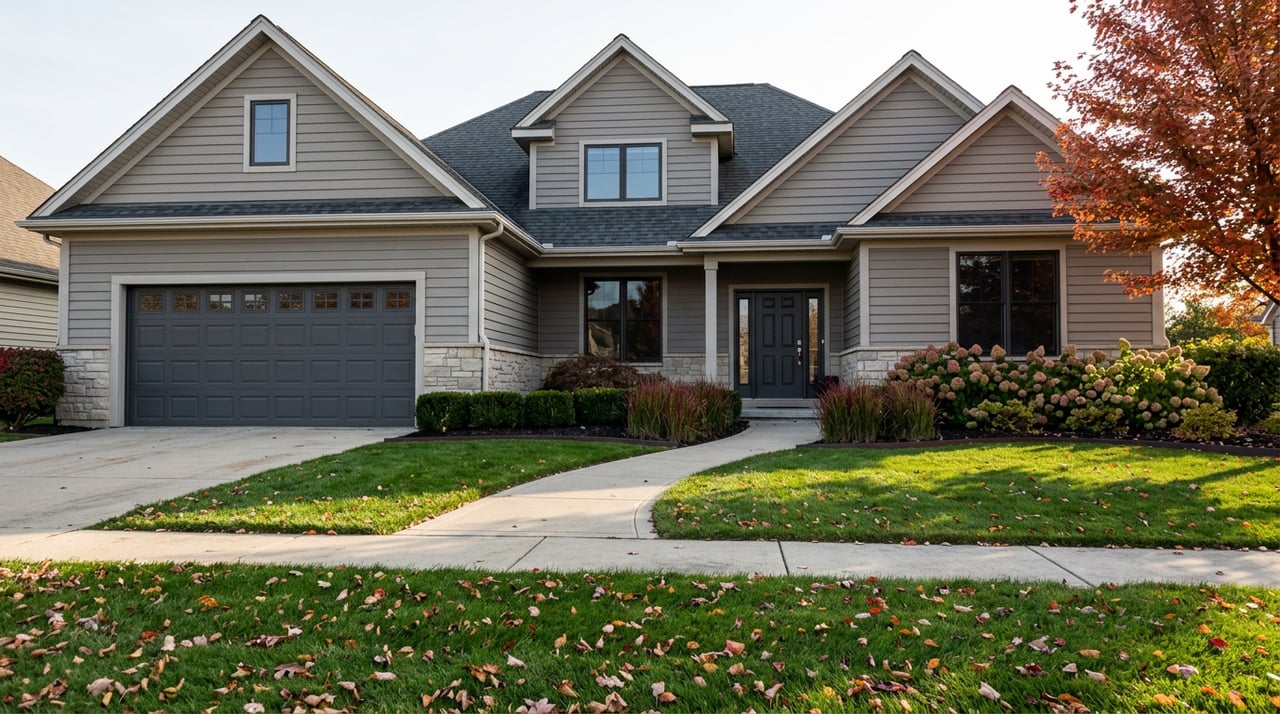
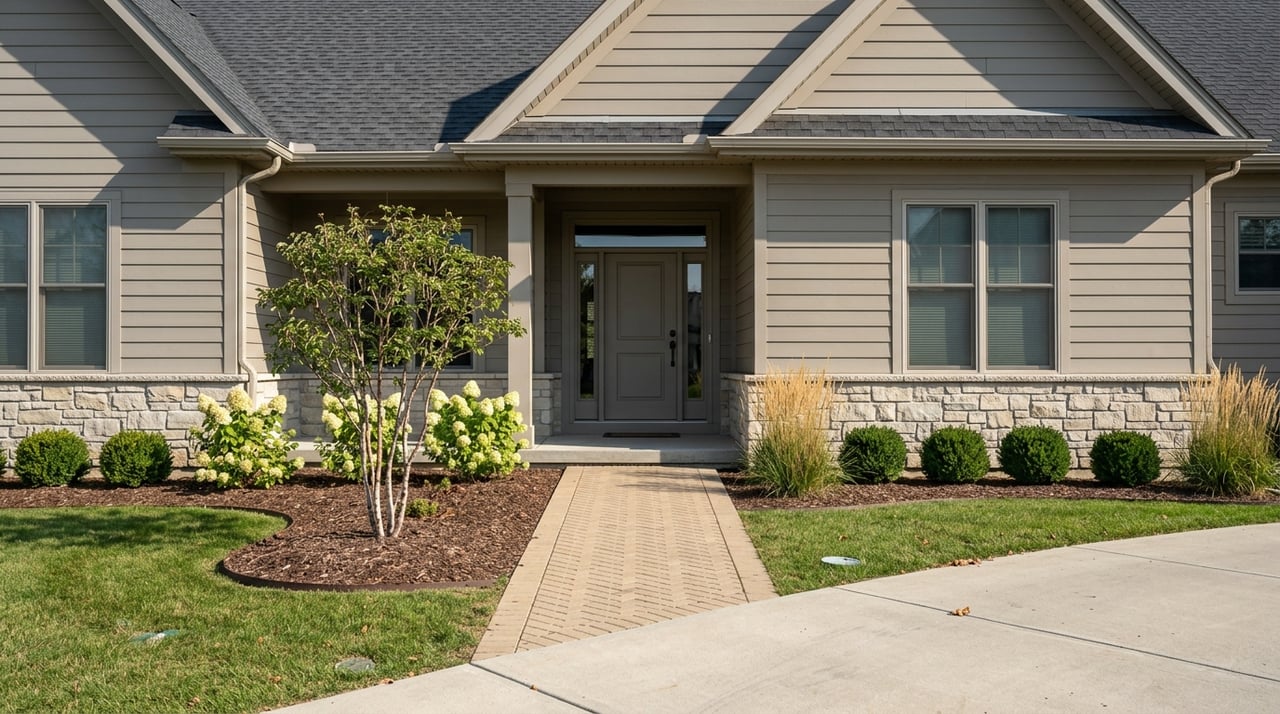
If you picture Glenwood as mostly detached homes, that picture is pretty accurate. Recent Census-based data shows about 72.2% of housing units are 1-unit detached homes, and 76.5% of occupied units are owner-occupied. In simple terms, Glenwood is primarily an ownership market with a strong single-family feel.
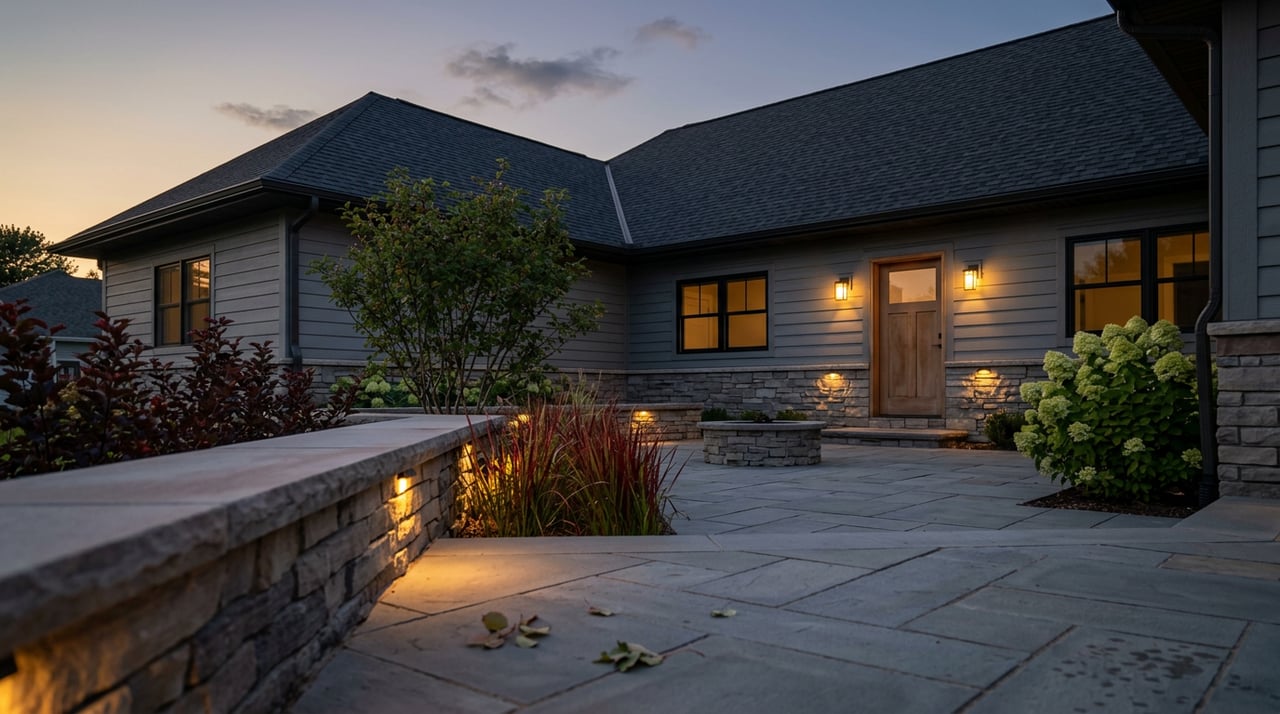
That matters if you are comparing Glenwood to more apartment-heavy parts of the Omaha area. You are more likely to find traditional houses, larger lots, and a lower-density setting than rows of new multifamily buildings. If that is your goal, Glenwood may line up well with what you want.
The housing stock also appears to be a mix rather than one narrow style or era. Point2Homes reports a median construction year of 1971, which suggests you may see older homes, mid-century properties, and some newer subdivisions depending on where you search. That can create more variety in layout, lot size, and update level.
Glenwood home prices and affordability
Affordability is one of the main reasons commuters look beyond the urban core. Census data puts the median value of owner-occupied homes in Glenwood at $206,200. That figure gives useful long-range context, even though active listings today may price differently.
Current market snapshots suggest Glenwood sits in a mid-market range for many commuter buyers. Zillow reports a Glenwood Home Values Index of $310,533, up 4.9% year over year, with a median list price of $309,333 as of March 31, 2026. Realtor.com reports a median listing price of $275,000, which shows how pricing can vary by source and method.
The bigger takeaway is that many in-town commuter homes appear to cluster in the upper-$200,000s to upper-$300,000s. Recent active examples include homes listed at $265,000, $282,500, $309,000, and $389,000. If you are shopping for a detached home within reach of Omaha, that is a useful band to keep in mind.
Ownership vs. renting in Glenwood
Glenwood tends to make the strongest case for buyers, not renters. Census data shows a median gross rent of $924, which reflects the broader occupied rental market. But current online asking rents tell a different story because they capture only what is actively available.
Rental supply appears limited. Zillow reports just 6 rentals available in Glenwood, with an average asking rent of $1,667 and a range from $1,500 to $2,500. Point2Homes also lists 712 Lofts as an active rental community, with units from $800 to $1,600.
If you need a lot of rental choice, Glenwood may feel tight. If your goal is to buy and put down roots, the market profile is more favorable. This is one of the clearest tradeoffs to understand before you start your search.
The lifestyle tradeoff to expect
Every commuter town asks you to make a trade. In Glenwood, the trade is usually more space and a smaller-town environment in exchange for more driving and fewer nearby urban amenities. For many buyers, that is a fair exchange. For others, it may not be.
Glenwood does offer everyday quality-of-life features that matter. The city has a free public library, Glenwood Lake Park spans 45 acres and includes a museum and amphitheater, and the local school district includes a high school, middle school, and two elementary schools. These are practical local assets that can shape your daily routine close to home.
Still, if your ideal weeknight includes walking to a long list of restaurants, shops, or apartment-style amenities, Glenwood may feel limited. This is a place that tends to fit buyers who value a lower-density setting and are comfortable depending on a car.
Which buyers may find Glenwood a fit
Glenwood can make sense for several kinds of commuter buyers. If you are relocating to the Omaha area and want a detached home with a manageable drive, it deserves a look. If you are a first-time buyer trying to stretch your budget into a house rather than a smaller attached property, it may also be appealing.
Move-up buyers may find value here too, especially if yard space or home size matters more than being close to denser city amenities. The market also includes some higher-end acreage and custom properties, but those sit above the core commuter-home range. Recent examples show properties around the mid-$700,000s, which is a reminder that price can rise fast when land and custom features enter the picture.
The key is to be clear on what you are solving for. If you want a practical commute, detached-home options, and a smaller community feel, Glenwood checks important boxes. If you need broad rental inventory or a highly walkable lifestyle, it may not be the right match.
How to think through your move
Before you choose Glenwood, compare your housing goals against your daily routine. Think about how many days a week you commute, where in Omaha you need to be, and how much value you place on lot size, privacy, and home type. A half-hour drive can feel very different depending on your work schedule and priorities.
It also helps to separate in-town homes from acreage properties in your search. Glenwood has both, but they can lead to very different price points and maintenance expectations. Looking at everything together can blur your budget and make the market feel less clear than it really is.
Most of all, remember that Glenwood is best understood as a space-versus-commute decision inside the broader Omaha and Council Bluffs metro market. If that balance sounds right for you, a focused home search can quickly show whether the fit is practical or not.
If you are weighing Glenwood against communities on the Nebraska side of the metro, talking through price range, commute patterns, and home style can save you time. Sheila Ost offers a warm, hands-on approach backed by strong local market knowledge to help you narrow your options and move forward with confidence.
FAQs
Is Glenwood, Iowa a reasonable place to live if you work in Omaha?
- Yes. Glenwood is commonly framed as an Omaha-area commuter option, with estimates of about 24 miles and roughly 27 minutes by car to Omaha, depending on your destination and traffic.
What types of homes are most common in Glenwood, Iowa?
- Glenwood is mostly a single-family detached home market. About 72.2% of housing units are 1-unit detached homes, and about 76.5% of occupied units are owner-occupied.
Are Glenwood, Iowa home prices lower than Omaha-area buyers might expect?
- Glenwood offers a mid-market price range that may appeal to commuters. Current snapshots place many in-town homes in the upper-$200,000s to upper-$300,000s, though exact medians vary by data source.
Is it easy to rent in Glenwood, Iowa instead of buying?
- Rental options appear limited. Zillow reported only 6 rentals available, which suggests renters may have fewer choices than buyers looking for detached homes.
What is the main tradeoff of living in Glenwood, Iowa and commuting to Omaha?
- The main tradeoff is more space and a smaller-town setting in exchange for more car dependence and a smaller local amenity base.