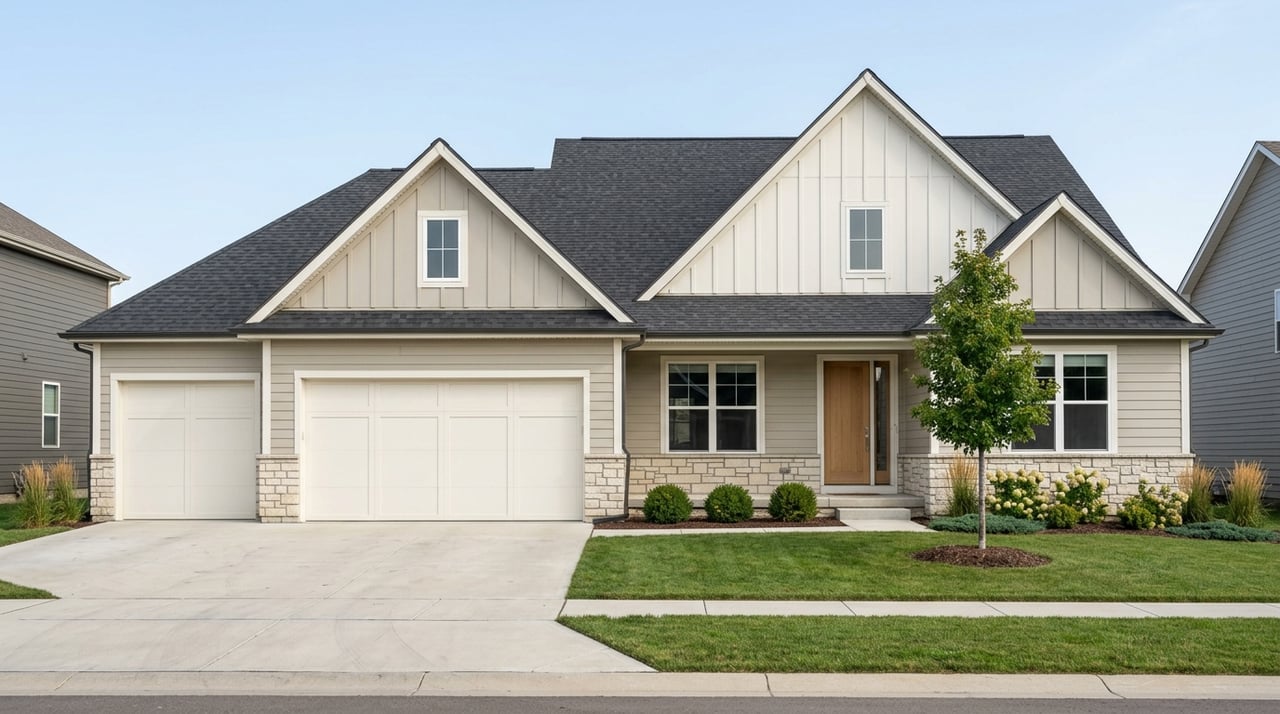
Wondering if buying new construction in Elkhorn is simpler because everything is brand new? In some ways, it can be. But a new home also comes with choices, timelines, contracts, and costs that can surprise you if you are not prepared. If you are comparing builders, touring model homes, or trying to decide between new construction and resale, this guide will help you understand what to expect in Elkhorn and how to move forward with more confidence. Let’s dive in.
Why new construction attracts Elkhorn buyers
Elkhorn continues to draw buyers who want newer homes, growing neighborhoods, and access to the western edge of the Omaha metro. It is also part of a consistently growing area, which matters when you are looking at brand-new subdivisions and homes that may still be under construction.
New construction can be appealing because you may get modern layouts, newer systems, and the chance to personalize certain finishes. Depending on the stage of construction, you may be choosing anything from a move-in-ready spec home to a lot, floor plan, and builder contract that shape the home from the ground up.
How Elkhorn market context shapes your decision
A practical first step is understanding how new construction compares with resale in the broader Omaha market. According to the March 2026 Omaha-area MLS report, new-construction homes had a median closed price of $399,990 and an average closed price of $447,810. Existing homes in that same report had a median closed price of $300,000.
New construction also tends to move more slowly. The same report showed 82 days on market for new construction, compared with 22 days for existing homes, with 921 new-construction homes for sale and 5.5 months of supply in the Omaha area. That does not tell you exactly what every Elkhorn subdivision will do, but it is useful context when you are budgeting and setting expectations.
Understand the type of new home you are buying
Not all new construction follows the same process. The Nebraska Real Estate Commission explains that buying a pre-constructed or spec home is similar in many ways to buying a pre-owned home. On the other hand, buying a lot and entering into a contract to build is a different process with more moving parts.
That difference matters because your timeline, deposit structure, and decision points may change depending on the property. A completed spec home may offer a faster path to closing, while a to-be-built home gives you more design input but usually involves more uncertainty along the way.
Spec homes vs. to-be-built homes
Here is the practical difference most buyers feel:
- Spec home: Already built or partially built, with many selections already made
- To-be-built home: You choose a lot, floor plan, and some finishes before or during construction
- Semi-custom decisions: You may be able to choose certain design elements, but not every part of the build
If you want more control, building may sound ideal. If you want more certainty on price and timing, a spec home may feel more comfortable.
Clarify representation before you tour or sign
This is one of the most important steps in Nebraska right now. As of July 1, 2025, Nebraska requires a written buyer representation contract before an agent can act for a buyer in a residential transaction. The Nebraska Real Estate Commission says that agreement must include compensation terms and a specific expiration date.
In plain terms, you should know who represents you before you tour homes, negotiate with a builder, or sign anything. The Commission also notes that buyers may work with their own buyer’s agent, the builder’s agent, or the builder directly, but that relationship should be clear in advance so everyone understands who represents whom.
For many buyers, especially first-time buyers and relocators, that clarity can reduce confusion from the start. It also helps you move through builder conversations with a better understanding of your options and your advocate’s role.
Expect the base price to grow
One of the biggest surprises in new construction is how quickly the final price can rise above the advertised base price. The Nebraska Real Estate Commission notes that building a home lets you choose the floor plan, colors, and finishes. That flexibility is exciting, but it also creates more opportunities to spend.
An April 2025 NAHB study found that buyers commonly influence finish selections such as appliances, carpeting, ceramic tile, other flooring, countertops, plumbing fixtures, and lighting. In other words, the model home may show you possibilities, but many of those details can change the final number.
Common upgrade areas to budget for
If you are comparing builders, ask what is included and what costs extra in these categories:
- Appliances
- Carpet and other flooring
- Ceramic tile
- Countertops
- Plumbing fixtures
- Lighting
- Finish packages and color selections
Even if each item seems manageable on its own, the total can add up fast. A smart approach is to decide early which upgrades matter most to your daily life and which ones can wait.
Plan for costs beyond the mortgage
Your monthly payment is only part of the picture. NAHB’s consumer guidance says buyers should also plan for property taxes, homeowners insurance, possible mortgage insurance, and possibly HOA assessments.
That is especially important in newer developments, where HOA-related design restrictions may also apply. Before you commit, ask for a full picture of recurring costs so you can compare one community to another on equal footing.
Ask about Omaha-area improvement districts
For Elkhorn buyers, there is another local cost check worth making. The City of Omaha says street improvement districts are used for permanent concrete streets, curbs, and sewers, while road maintenance districts cover asphalt overlays. The city also says assessments for roadway improvements attach to the property and transfer to a new owner if unpaid.
That means you should ask whether a subdivision has an SID or similar assessment before closing. This is a simple question that can help you avoid a budget surprise after you move in.
Be realistic about construction timelines
If you are building from the ground up, flexibility matters. The Nebraska Real Estate Commission says closing dates on builds can be affected by weather, material availability, and labor availability.
That does not mean delays always happen, but it does mean your closing date may shift. If you are coordinating a lease ending, a home sale, a job relocation, or school-year timing, build extra breathing room into your plan.
Put contract changes in writing
The Commission also notes that changes to the building contract should be agreed to in writing. This matters if you adjust finishes, request upgrades, or deal with timeline changes during construction.
A written record helps everyone stay aligned. It also gives you a cleaner paper trail if questions come up later about what was promised, selected, or approved.
Protect yourself with financing and deposit questions
New construction contracts often involve deposits and longer timelines, so your financing strategy matters. CFPB says buyers considering an unbuilt home should ask under what conditions a builder deposit can be returned.
CFPB also says you do not have to use the builder’s affiliated lender. That can give you room to compare financing options and choose the loan path that fits your needs best.
Smart financing questions to ask early
Before you sign, consider asking:
- When is the deposit due?
- Under what conditions is the deposit refundable?
- Is the contract contingent on financing?
- What happens if the home is delayed?
- Are there incentives tied to using a specific lender?
CFPB also recommends making the purchase contingent on financing and a satisfactory inspection. Those protections can be especially valuable when the home is still in progress.
Yes, you still need an inspection
A brand-new home is still a home built by people, materials, and schedules. CFPB recommends scheduling an independent inspection as soon as possible and attending if you can.
Inspections are for your protection, and CFPB notes that if your contract is contingent on a satisfactory inspection, you can cancel without penalty if you are not satisfied. Even with new construction, that independent review can help catch issues before closing.
For buyers who assume a builder walkthrough is enough, this is an important distinction. A builder walkthrough and an independent inspection serve different purposes.
Know what the builder warranty really covers
A builder warranty can be helpful, but it is not unlimited protection. The FTC says builder warranties usually cover permanent parts of the home, often with workmanship and materials on many components covered for one year, HVAC, plumbing, and electrical systems generally for two years, and in some cases up to 10 years for major structural defects.
The same FTC guidance also notes what builder warranties often do not cover, including appliances, small cracks, and moving or living-away costs while repairs are being made. It also explains that a home warranty is a paid service contract, which is not the same thing as a builder warranty.
Use the warranty process carefully
If something needs attention after closing, the FTC advises making warranty claims in writing. It also notes that many warranties require mediation or arbitration for disputes.
The practical takeaway is simple: read the warranty before you close, keep records, and understand the process for reporting problems. Do not assume all issues will be handled the same way or on the same timeline.
Verify school assignment by address
For many buyers in Elkhorn, school assignment is part of the decision-making process. Elkhorn Public Schools describes the district as a consistently growing suburban district, and the district says boundaries can change as new schools open.
For the 2025-26 school year, EPS updated elementary boundaries in response to two new elementary schools. The district also warns that newer subdivisions may not yet be up to date on the map, so it is important to verify school assignment by address rather than relying on a subdivision name alone.
That address-level check can be especially important if you are buying in a newly developing area. It is a small step that can prevent a major misunderstanding later.
A practical checklist before you buy
If you want to keep your new-construction search focused, use this checklist as a starting point:
- Clarify who represents you before touring or negotiating
- Confirm whether you are buying a spec home or building from the ground up
- Ask what is included in the base price
- Identify your must-have upgrades before design appointments
- Review expected taxes, insurance, HOA fees, and any SID-related costs
- Ask how delays are handled and how contract changes are documented
- Confirm deposit terms and financing contingencies
- Schedule an independent inspection
- Read the builder warranty carefully
- Verify school assignment by address if that matters to your move
Final thoughts on buying new construction in Elkhorn
Buying new construction in Elkhorn can be a great fit if you want a newer home, more contemporary features, and the chance to shape some of the final details. The key is understanding that “new” does not always mean “simple.” Price, timelines, representation, inspections, and local cost checks all deserve close attention.
When you go in with a clear plan, better questions, and realistic expectations, the process becomes much easier to manage. And when you have local guidance from someone who understands both the market and the moving parts, it is easier to make confident decisions from lot selection to closing day.
If you are considering a new construction home in Elkhorn and want practical guidance through the process, connect with Sheila Ost for a one-on-one conversation about your goals, timing, and next steps.
FAQs
What should buyers know about new construction pricing in Elkhorn?
- New construction in the broader Omaha market typically costs more than resale homes, and the final price often rises above the base price because buyers commonly pay extra for finish selections and upgrades.
What should Elkhorn buyers ask about builder contracts?
- Buyers should ask about closing timelines, how delays are handled, when deposits are refundable, whether financing and inspection contingencies apply, and whether any contract changes must be made in writing.
What should homebuyers know about representation in Nebraska new construction?
- In Nebraska, a written buyer representation contract is required before an agent can act for a buyer in a residential transaction, so you should clarify representation before touring, negotiating, or signing with a builder.
What should buyers check about schools when buying in Elkhorn?
- Elkhorn Public Schools says district boundaries can change and newer subdivisions may not yet be current on the map, so buyers should verify school assignment by property address.
What should buyers ask about subdivision costs in Elkhorn and Omaha?
- Buyers should ask whether the property has an SID or similar assessment, because certain roadway-related improvement assessments can attach to the property and transfer to a new owner if unpaid.
What should buyers know about inspections and warranties on new homes?
- Buyers should still order an independent inspection, and they should review the builder warranty carefully because coverage is limited and may not include every issue or expense.