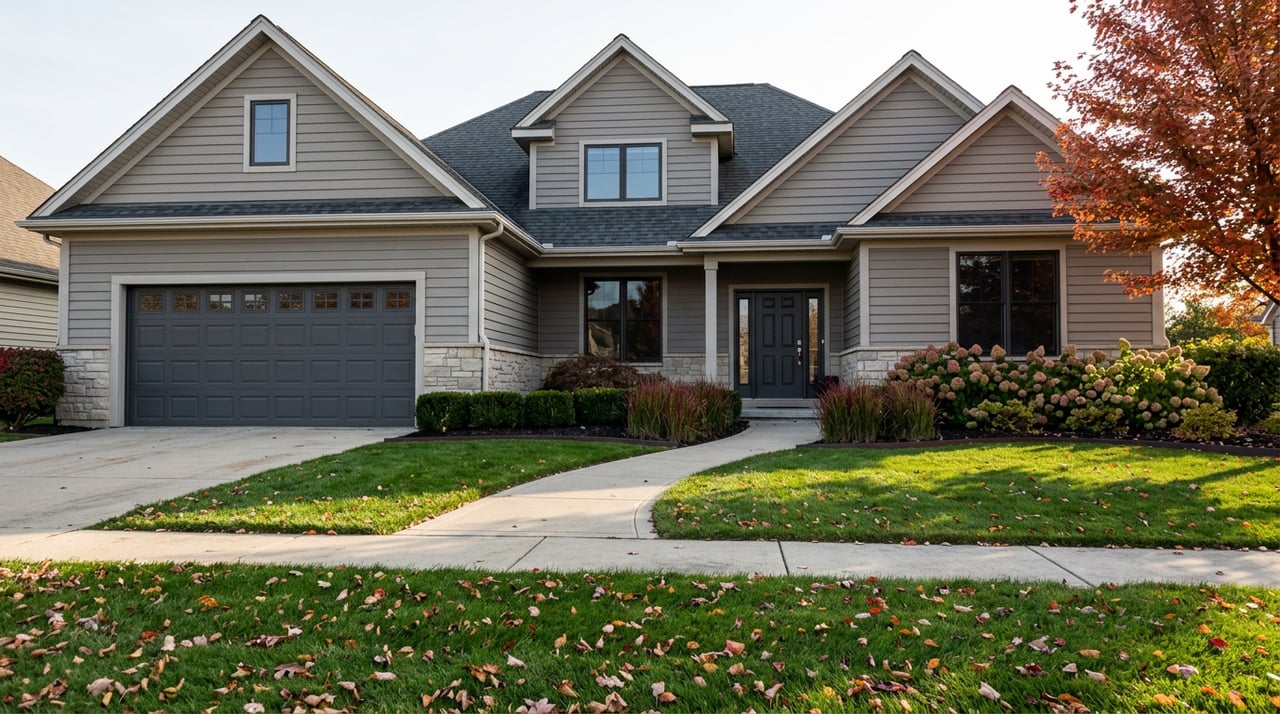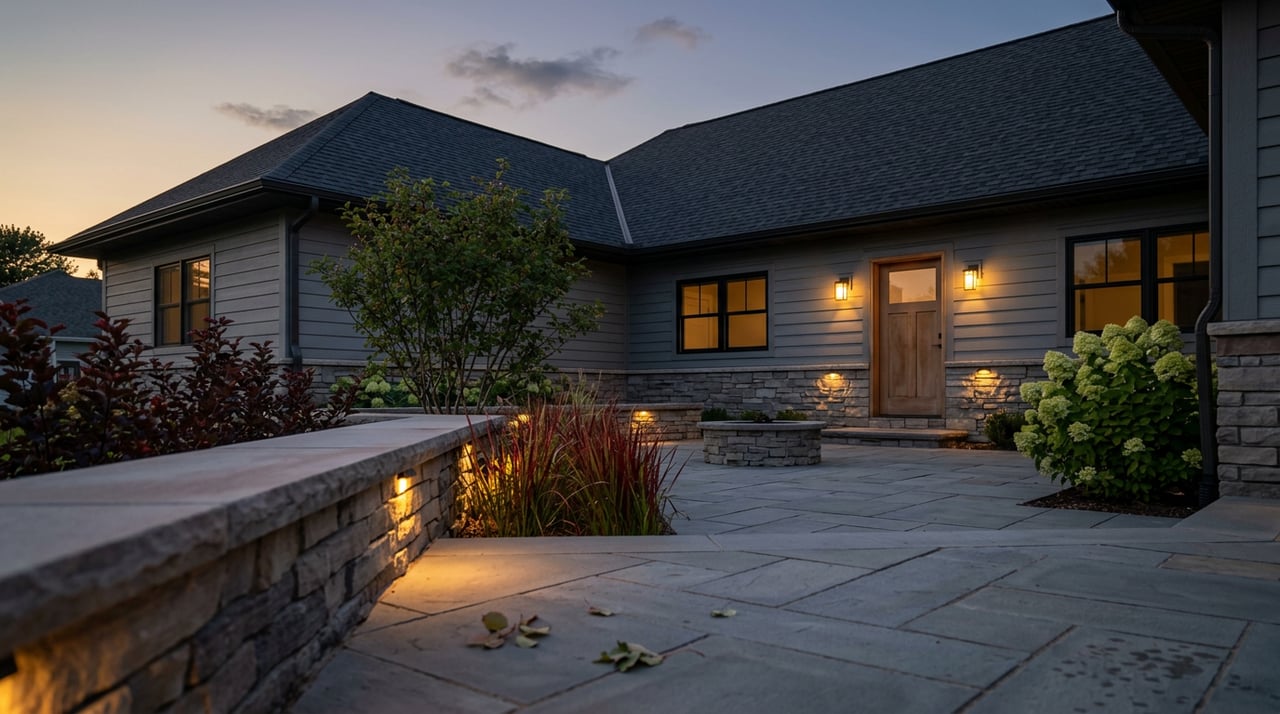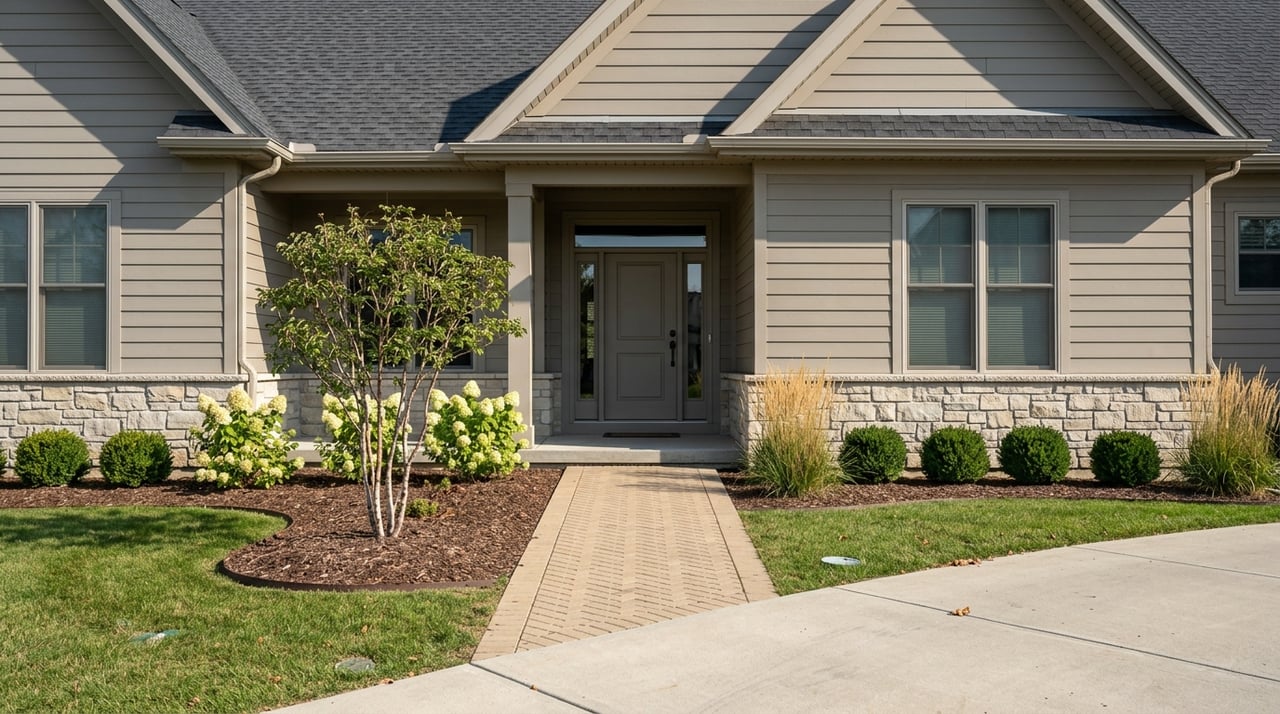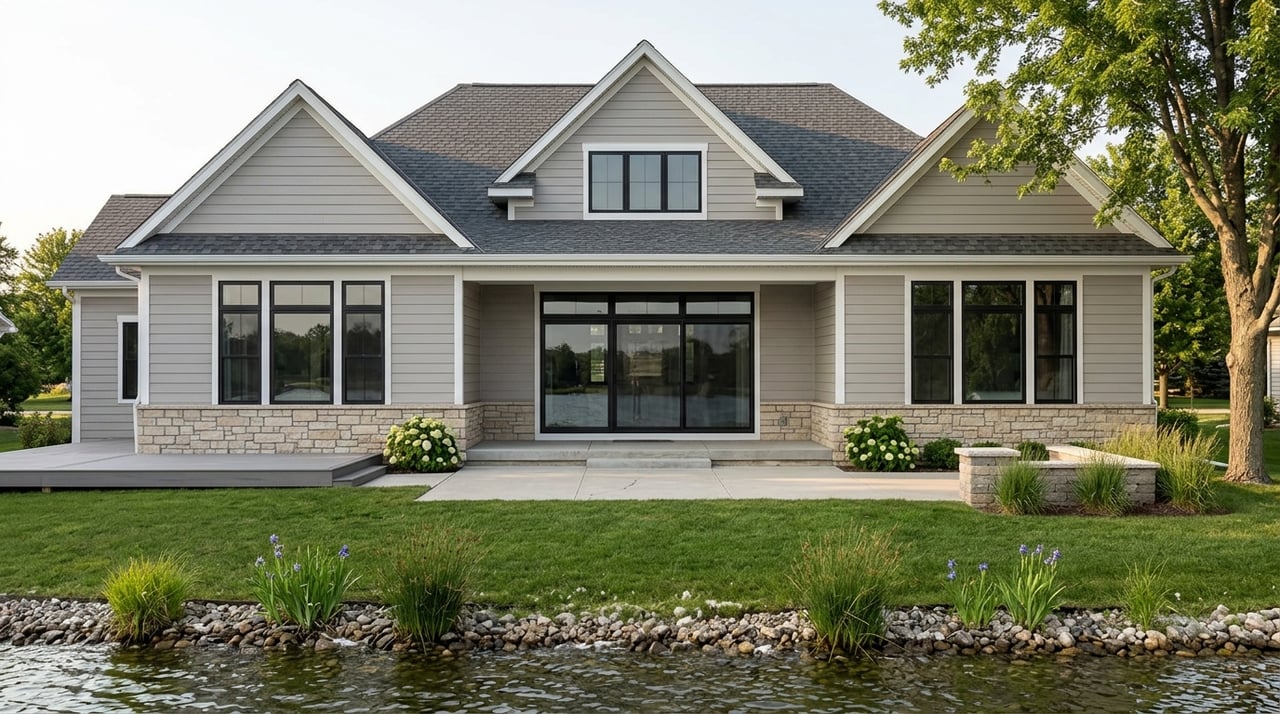
If you picture a classic cabin on a natural lake, Valley may surprise you. Many of Valley’s lake neighborhoods were built around sand pit lakes, which creates a very specific kind of lifestyle and buying process. If you are thinking about buying a lake home here, you need more than a wish list. You need to understand the communities, rules, costs, and day-to-day realities that come with them. Let’s dive in.
Valley lake homes are not one-size-fits-all
One of the biggest things to know about buying a lake home in Valley is that the market is more varied than many buyers expect. Valley’s lake development is tied to the area’s sand, gravel, groundwater, and Platte River valley conditions, so these communities often function differently from traditional inland neighborhoods.
You will find a mix of private lake communities with different layouts, amenities, and housing types. In Valley, that can include custom waterfront homes, builder-attached lots, and even townhomes, depending on the community. That makes it important to compare the neighborhood itself, not just the house.
What kinds of lake communities you may see
Several Valley lake communities highlight how broad the product mix can be. Bluewater is a large private-lake community with city water and sewer, concrete streets, beaches, and watercraft registration requirements. Flatwater includes 131 single-family waterfront lots along with amenities like a beach and boat ramp.
Valley Shores is built around a private 42-acre sand-bottom lake next to a golf course. Still Water Lake has a newer mixed-use setup with single-family homes, townhomes, and commercial lots. If you are searching online, it helps to know that these communities may look similar at first glance but can offer very different living experiences.
Home styles and lot rules matter
Lake homes in Valley do not always come with the same building flexibility. Some communities have detailed covenants that set minimum home sizes, setbacks, plan-review requirements, tree requirements, or sidewalk standards.
For example, Still Water’s covenants outline minimum sizes for townhomes and single-family homes. Flatwater also includes square-footage minimums, setbacks, tree and sidewalk requirements, and plan-review fees. If you are buying a lot or newer construction, those details can affect both your budget and your timeline.
Expect waterfront pricing to carry a premium
Valley offers lake living with practical access to Omaha, but waterfront comes at a higher price point. Current listing data in the research report shows Valley’s overall median listing price at about $530,000, while Valley waterfront listings show a median listing price around $930,000.
That gap is important if you are deciding between a general Valley home and a true lakefront property. The lifestyle can be a strong draw, but you should go in with realistic expectations about pricing, competition, and what features matter most to you.
Know what you are paying for
In Valley, a higher lake-home price is often tied to more than the water view. You may also be paying for private amenities, maintained common areas, beach access, boating access, and neighborhood infrastructure.
That can be a good fit if you want a more amenity-rich environment. It may be less appealing if your main goal is a lower-cost entry point or fewer neighborhood restrictions.
HOA rules can shape your lifestyle
In many Valley lake communities, the HOA is not a minor detail. It often plays a major role in how the neighborhood looks, how the lake is managed, and what owners can do with boats, docks, and exterior property features.
This is one of the biggest reasons lake-home buyers should read beyond the listing description. A beautiful house on the water may still be the wrong fit if the rules do not match how you plan to use it.
Common fees to budget for
HOA dues and lake-related fees can vary from one community to another. Flatwater lists $600 per year in HOA dues plus a $1,200 facility fee at closing. Still Water lists either $1,200 biannual dues or $2,400 annual dues.
At Still Water, the HOA also handles services like lawn care, sprinklers, snow removal, beach upkeep, and lake management. Those services may add convenience, but they should still be factored into your monthly and annual ownership costs.
Boating rules are often stricter than buyers expect
A common mistake buyers make is assuming any lake home automatically means open boating freedom. In Valley, boating access is often private and tightly controlled by the association.
That means you need to verify rules before you fall in love with a property. The lake itself may be the headline feature, but the actual use rules are what shape your day-to-day experience.
Examples of lake-specific restrictions
Valley Shores requires boats to be owned by lot owners, registered with the association, and marked with lot numbers. Guest boats are prohibited, and violations can lead to suspended boating privileges.
Flatwater requires watercraft and gear to be clean if they have been used in other waters. It also limits speeds and bans guest motorized watercraft. Bluewater requires watercraft registration and approval before launching.
Not every Valley lake is a big-boat lake
This is another key point for buyers relocating from other lake markets. Still Water is a no-wake lake and allows paddle craft plus small pontoon or fishing boats with electric motors only.
Flatwater allows motorized boating, but with speed and length limits and restrictions on certain higher-impact activities. If you already own a boat, or plan to buy one, confirm that the specific lake actually allows the kind of boating you want.
Nebraska boating rules still apply
Along with community rules, state rules matter too. In Nebraska, operators born after December 31, 1985 must complete boater education, and operators must be at least 14 years old.
Nebraska also requires an aquatic invasive species stamp for registration of motorized watercraft. If boating is part of your lake-home plan, it helps to review both the neighborhood rules and the state requirements early in your search.
Flood diligence is part of smart buying
Because Valley is affected by Platte River, Elkhorn River, and groundwater flood conditions, flood diligence is an important part of buying here. Some properties are in the 100-year floodplain, and risk can vary by address.
This is not something to guess about based on a seller disclosure or a general map view. The City of Valley directs buyers to use FEMA Flood Map Service Center resources and local property search tools to confirm address-specific flood risk.
Insurance timing matters
If flood insurance is needed, timing can matter. Valley’s flood resources note that flood insurance generally has a 30-day waiting period.
That is one more reason to investigate flood questions early in the process. Waiting until the last minute can create stress when you are already working through inspections, financing, and closing deadlines.
Seasonal maintenance is part of lake living
Lake-home ownership can come with extra upkeep, especially during warmer months. In Valley, the city has a water conservation warning window from May 1 through September 30, with odd and even watering days during conservation periods.
The city contracts with PeopleService for water and wastewater services. If you are moving from a more typical suburban setup, it is helpful to understand utility routines and seasonal maintenance expectations before you buy.
Valley works well for many Omaha-area commuters
For many buyers, Valley’s appeal is not just the lake. It is also the location. Valley sits on Highway 275 between Omaha and Fremont, and the route connects into the larger Omaha metro and I-80 corridor.
That makes Valley a realistic option if you want lake living without giving up metro access. Community information in the research report places Village Pointe about 12 minutes away from Bluewater and Still Water, Eppley Airfield around 35 minutes from Still Water, and downtown Omaha or the Old Market in the low-30-minute range from Flatwater.
Why that matters for buyers
If you work in Omaha or need regular access to shopping, dining, or the airport, commute time may be one of Valley’s strongest advantages. You can get a private-lake neighborhood feel while staying connected to the metro.
That combination is a big reason Valley stands out for move-up buyers and relocators who want something more lifestyle-driven than a standard subdivision.
School boundary details should be verified
Douglas County West Community Schools is the local district, with district offices and schools in Valley. If schools are part of your home search criteria, it is smart to confirm attendance boundaries for any specific property or lot you are considering.
That is especially important when you are comparing multiple lake communities, builder packages, or edge-of-district locations. Boundaries can be property-specific, so this is worth verifying early.
Who Valley lake living fits best
Valley lake communities tend to work best for buyers who want an amenity-rich, private-neighborhood environment with defined rules and a strong lifestyle component. You may be a good fit if you value boating access, maintained common areas, custom-home options, and a manageable Omaha commute.
It may be a less natural fit if you want very few restrictions, broad guest boating access, or a lower-cost purchase point. The right lake home is not just about the view. It is about whether the full community setup fits how you actually want to live.
If you are comparing Valley lake homes and want help sorting through rules, pricing, flood questions, and day-to-day fit, Sheila Ost can help you make a clear, confident move.
FAQs
What should you check before buying a lake home in Valley?
- You should review HOA dues, lake rules, boating restrictions, flood risk, lot covenants, and any community-specific fees before moving forward.
Are all Valley lake communities the same?
- No. Valley includes communities with different home types, amenities, boating policies, and ownership costs, so each neighborhood should be evaluated on its own.
Can you use any boat on a Valley lake?
- No. Some lakes allow motorized boating with restrictions, while others are no-wake and limited to paddle craft or small electric-motor boats.
Do Valley lake homes usually have HOA fees?
- Many do. Fees vary by community and may cover items like lawn care, snow removal, beach upkeep, and lake management.
Is flood insurance a concern when buying in Valley?
- It can be, depending on the property. The City of Valley notes that some properties are in the 100-year floodplain and buyers should confirm address-specific flood risk.
Is Valley a practical commute to Omaha?
- Yes. Valley sits on Highway 275 with access to the Omaha metro, and community travel times in the research report support it as a realistic option for many Omaha-area commuters.