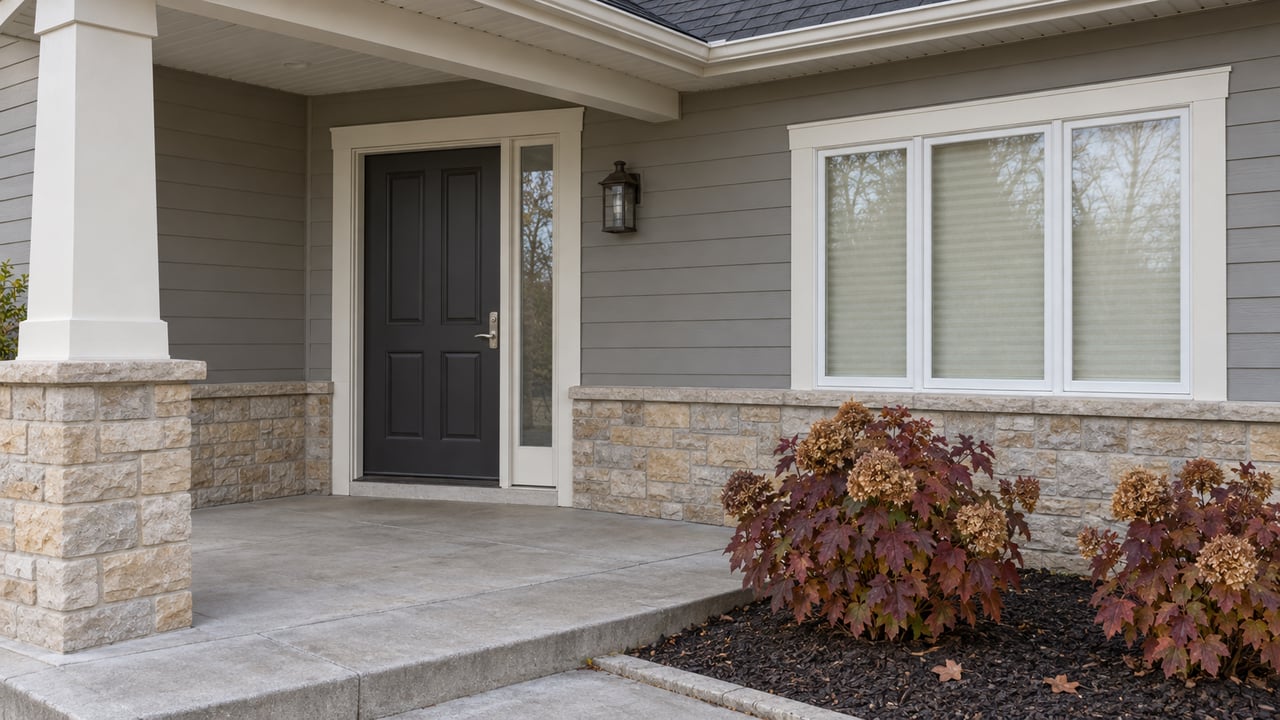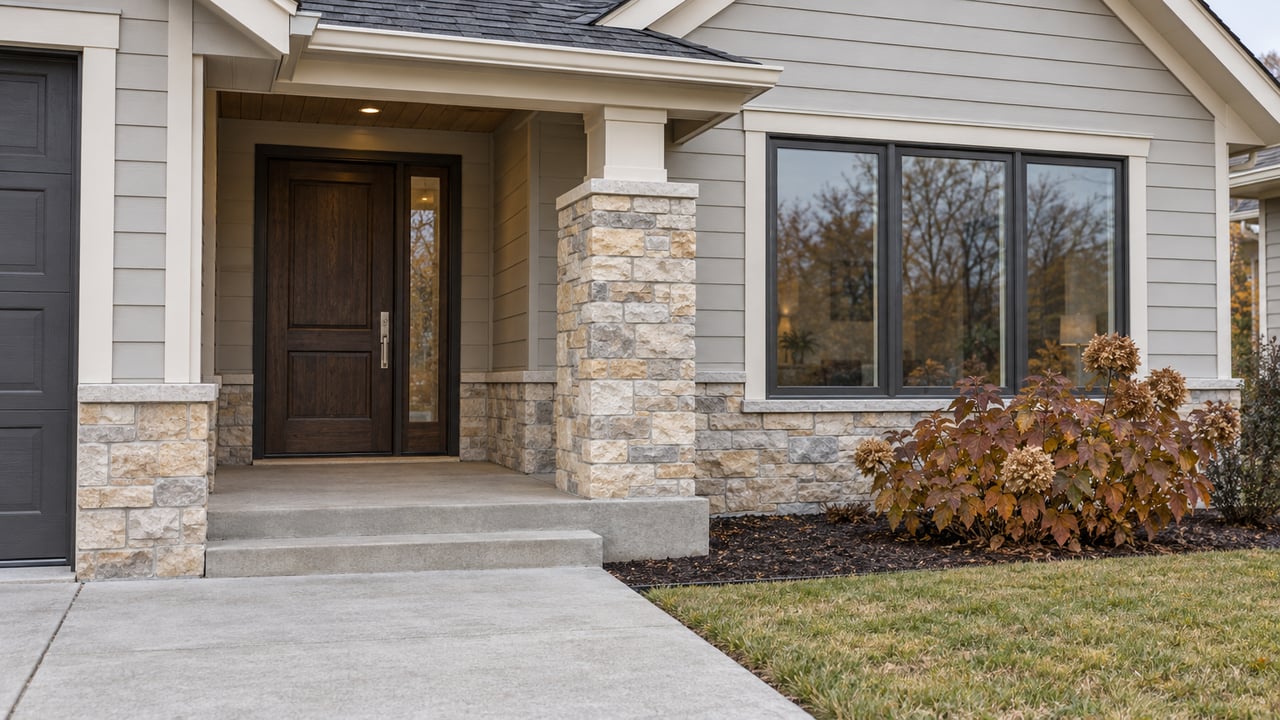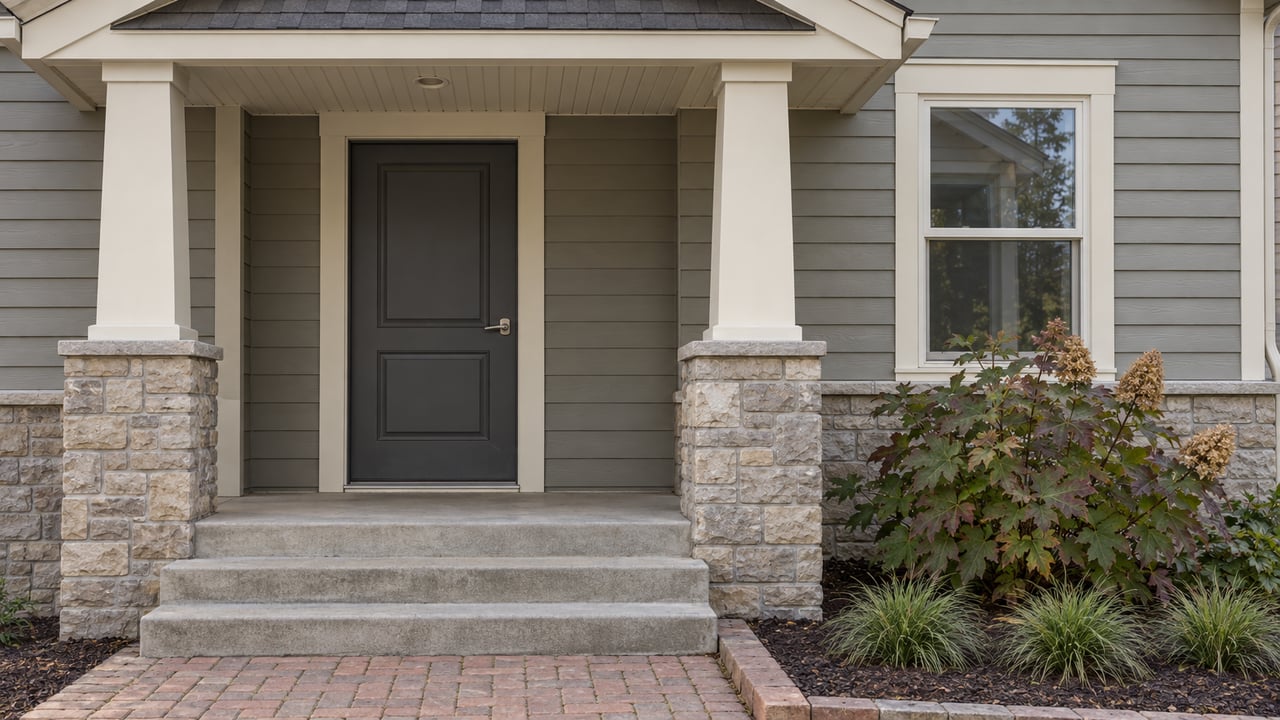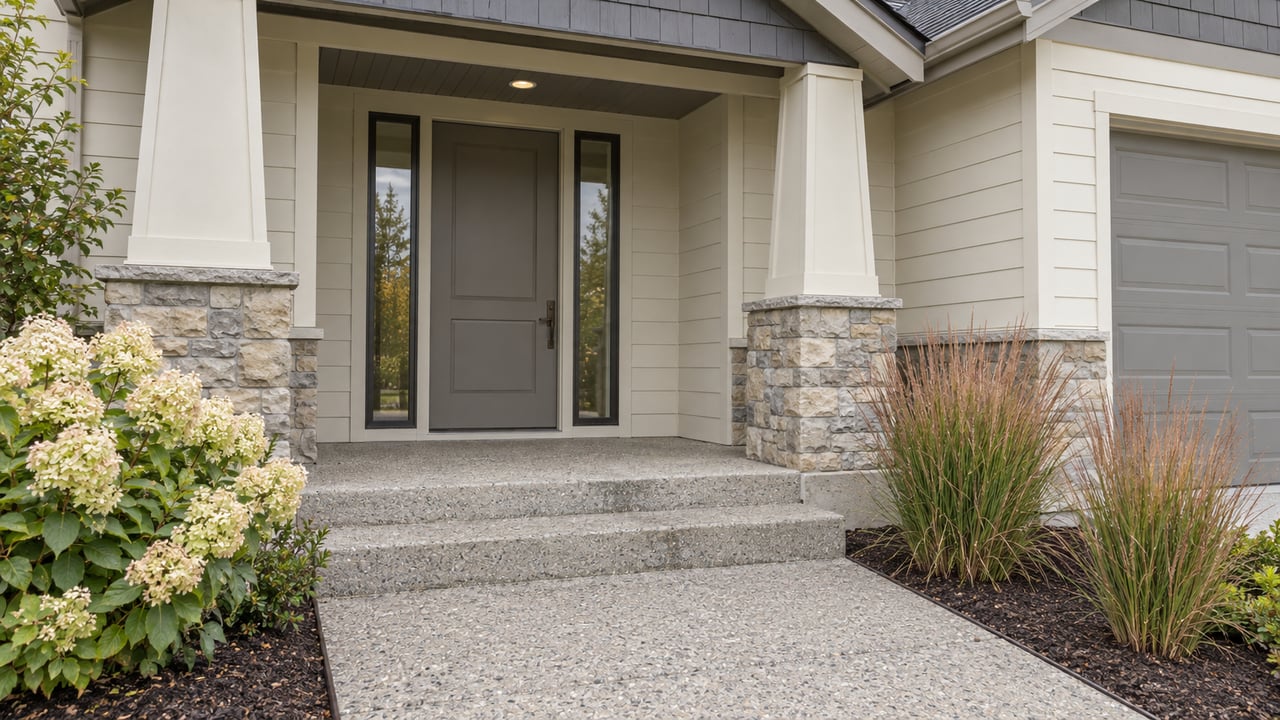
Trying to choose between a split-level and a ranch in Bellevue? You are not alone. In a city with a large share of single-family homes and a housing stock that often dates back decades, these two layouts come up again and again for buyers who want the right mix of space, comfort, and long-term fit. This guide will help you compare how each style works in Bellevue, what tradeoffs matter most, and how to narrow the choice based on your daily life. Let’s dive in.
Why This Choice Matters in Bellevue
Bellevue is a strong place for this comparison because detached homes make up much of the housing market. Census-based data shows about 72% of Bellevue housing is in single-unit structures, and the city profile reflects a median year built of 1982. That means many buyers are choosing among established homes where layout can matter just as much as finishes.
Bellevue also has a mix of older and newer areas. The city’s Housing Resilience Plan notes that older homes are generally concentrated to the north and east, while newer homes are more common to the south and west. Bellevue also reported adding several new subdivisions and more than 500 new single-family homes, so you may be comparing older ranches or split-levels with newer construction depending on where you search.
Terrain adds another layer to the decision. Bellevue describes itself as sitting on rolling hills overlooking the Missouri River. On sloped lots, split-level homes can be a practical fit because the staggered floors often work with grade changes more naturally than a flat one-story footprint.
What Is a Ranch Home?
A ranch home is usually a one-story house with a low roofline and a simple, open layout. In practical terms, the key feature is that the main daily living spaces are typically all on one level. That often includes the kitchen, living area, bedrooms, and bathrooms.
For many buyers, that one-level design is the biggest advantage. You can move through the home with fewer interruptions, and daily tasks like carrying groceries, doing laundry, or managing strollers often feel simpler. If ease of use is high on your list, ranch homes tend to stand out quickly.
What Is a Split-Level Home?
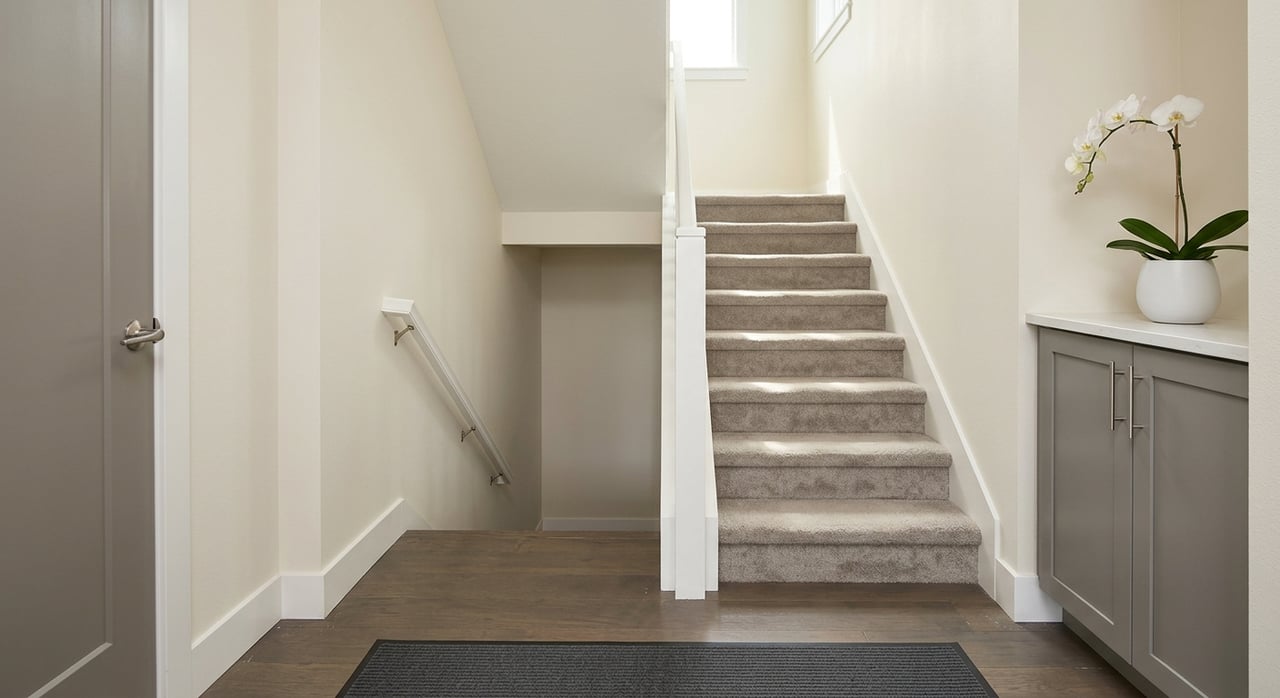
A split-level home uses staggered half-floor levels connected by short runs of stairs. Most have living space spread across three or more levels, with common areas on one level, bedrooms above, and a lower-level family room, recreation area, or extra flex space below.
One important note for Bellevue buyers is that labels can vary. A listing might say split-level, split-entry, raised ranch, or bi-level, but those names do not always tell you exactly how the floor plan functions. The smarter move is to look closely at how many levels the home has and where the main rooms actually sit.
Ranch Vs Split-Level: Daily Living
Ranch Homes Offer Simpler Movement
If you want fewer stairs in your day-to-day routine, ranch homes usually win. One-story living is commonly associated with aging in place, and features like no-step entries and same-level bedrooms and bathrooms can support long-term mobility. That can also make life easier right now, even if you are simply thinking about convenience rather than future planning.
This matters because falls are a real concern for older adults. The CDC reports that falls are the leading cause of injury for adults 65 and older, and more than 14 million older adults report a fall each year. Even if that is not your current stage of life, it helps show why one-level living remains so appealing.
Split-Levels Create More Separation
Split-level homes give you a different kind of benefit. Because the home is divided into staggered levels, you often get more separation between living, sleeping, and recreation spaces. That can be useful if you want a quieter home office, a lower-level rec room, or some distance between bedrooms and busier gathering areas.
For some households, that separation feels more functional than an open one-story layout. If multiple people are working, studying, or relaxing at the same time, split-levels can offer more natural zoning. The tradeoff is that you will likely use stairs much more often throughout the day.
How Each Style Fits Bellevue Lots
Bellevue’s rolling terrain can make split-levels especially practical in some areas. On a sloped site, a split-level floor plan can work with the lot instead of requiring a broad flat footprint. That is one reason these homes often show up on sites with elevation change.
Ranch homes can still work well in Bellevue, but they may be more straightforward on flatter lots. Because the main living area is spread out on one level, the footprint can take up more of the site. If yard space matters to you, that can be an important point to compare when touring homes.
Space and Footprint Tradeoffs
Ranch Homes Spread Out Horizontally
A ranch usually gives you your main space on one floor, which many buyers find easy to understand and furnish. The layout can feel open and connected, with less separation between living areas. That can be great if you want a home that feels simple and accessible.
The tradeoff is that more square footage often means a wider footprint. On some lots, that may leave less yard or fewer options for how the house sits on the site. It is worth comparing not just interior size, but also how the home uses the lot.
Split-Levels Add Space Efficiently
Split-level homes often solve a different problem. They can add useful living area without expanding the house footprint as much. That can make them attractive on modest lots or on lots where preserving outdoor space matters.
If you want distinct spaces for hobbies, guests, work, or recreation, a split-level may give you more flexibility per square foot. For buyers who do not mind stairs, that can be a strong advantage.
Maintenance and Condition in Bellevue
In Bellevue, house style matters, but condition matters just as much. The city’s Housing Resilience Plan points out that older homes are more likely to have aging foundations, less efficient materials, and weaker protection against flooding, high winds, and extreme heat. Some may also have outdated wiring, insulation, or roofing systems.
That makes careful home evaluation important whether you choose a ranch or a split-level. Bellevue has an older housing stock than nearby Papillion, so original systems and long-deferred maintenance are common issues to watch for. A pretty layout does not outweigh drainage or structural concerns.
Weather is another practical factor. NOAA climate normals for the Omaha area show about 31.86 inches of annual precipitation and 27.1 inches of annual snowfall, and the local National Weather Service office regularly warns of severe thunderstorms with hail, damaging winds, and isolated tornadoes. In either style, you will want to pay close attention to roof condition, flashing, gutters, grading, downspouts, and any signs of basement moisture.
Renovation and Long-Term Flexibility
If you are thinking ahead to future projects, the layout can shape your options. Ranch homes are often easier to picture for accessibility-minded updates because the main daily spaces are already on one floor. They may also be easier to evaluate if your goal is to simplify circulation through the house.
Split-level homes often shine when you want distinct zones for different uses. A lower level may work well for a rec room, office, workout area, or guest overflow. If your priority is to separate activity areas rather than combine them, that layout may make more sense.
A Simple Decision Framework
If you are torn between the two, start with your lifestyle instead of the label. The right choice usually comes down to how you live now, how long you plan to stay, and what kind of site and floor plan feel easiest to manage.
Choose a ranch if you prioritize:
- Fewer stairs
- Easier everyday movement
- One-level bedrooms, bathrooms, and kitchen access
- Long-term mobility and aging-in-place potential
- A simpler layout for daily routines
Choose a split-level if you prioritize:
- More separation between living zones
- A quieter office or lower-level rec space
- More house on a smaller footprint
- Better fit for a sloped lot
- Preserving more yard space on certain sites
Smart Questions to Ask in Bellevue
When you tour homes in Bellevue, ask questions that go beyond style. Since local housing stock varies by age and location, the same ranch or split-level label can hide very different condition issues.
Bring this checklist with you:
- How old are the roof, gutters, and major exterior systems?
- Is there any history of basement moisture or drainage problems?
- Has the wiring or insulation been updated?
- Are there known foundation repairs or settlement concerns?
- How many stairs separate the driveway, garage, entry, kitchen, and bedrooms?
- Does the lot slope toward or away from the home?
- Does the floor plan actually match how you live each day?
Compare Neighborhood Age Too
In Bellevue, style is only part of the picture. The city’s housing patterns suggest that older north and east areas are more likely to have older homes, while newer south and west areas have seen more recent growth. That can affect everything from layout preferences to maintenance expectations.
A smart home search compares neighborhood age, lot conditions, and floor plan together. You may find that a well-maintained split-level fits better than a dated ranch, or that a simple one-story home feels more practical than a larger multi-level layout. The best answer is the one that matches your life, your comfort with stairs, and your plans for the future.
If you want help sorting through Bellevue ranch and split-level options, Sheila Ost can help you compare floor plans, neighborhood patterns, and home-condition details so you can move forward with confidence.
FAQs
What is the main difference between a Bellevue ranch home and a Bellevue split-level home?
- A ranch home usually places the main living spaces on one level, while a split-level home spreads living space across staggered levels connected by short stairs.
Are ranch homes better for long-term mobility in Bellevue?
- In many cases, yes. Ranch homes typically offer fewer stairs and same-level access to daily living spaces, which can make them easier for long-term mobility needs.
Why are split-level homes common in Bellevue?
- Bellevue’s rolling hills and sloped lots can make split-level designs practical because they often work well with grade changes and can add space without a much larger footprint.
What should Bellevue buyers check when touring older ranch or split-level homes?
- Focus on roof condition, drainage, basement moisture, gutters, grading, insulation, wiring, and any foundation history, since Bellevue has many older single-family homes.
Do listing labels like split-entry or raised ranch mean the same thing as split-level in Bellevue?
- Not always. Listing terms can vary, so it is best to verify how many levels the home has and where the main rooms are located before deciding.
Should Bellevue buyers choose home style based only on layout?
- No. Layout matters, but the best decision also depends on lot slope, neighborhood age, maintenance condition, stair tolerance, and how well the home fits your daily routine.